
As 2025 comes to a close, industrial companies should do more than change campaign dates and carry unfinished tasks into a new calendar.
Year-end planning is an opportunity to examine what actually produced qualified leads, sales conversations, opportunities, and revenue. It is also the right time to clean up customer data, review the sales pipeline, gather feedback, identify content gaps, and assign clear priorities for the first quarter.
The goal is not to create a ceremonial marketing plan that disappears into a folder. The goal is to enter 2026 with better information, clearer responsibilities, and a practical schedule for action.
This checklist can help industrial sales and marketing teams prepare for the new year without turning planning into a month-long corporate archaeology dig.
Glossary: Industrial marketing checklist: An industrial marketing checklist is a structured list of reviews, decisions, and actions used to prepare marketing, sales, content, data, and campaign programs for an upcoming period.
1. Review What Happened in 2025
Before planning new campaigns, review the previous year’s performance.
The central question is not simply, “Did traffic increase?” It is, “Which activities contributed to qualified pipeline and customers?”
Review:
- website traffic and engagement
- organic search performance
- paid advertising results
- form submissions and phone calls
- qualified leads
- sales opportunities
- closed revenue
- customer retention
- trade show results
- email performance
- content performance
- lead-source quality
Look for patterns. One campaign may have produced many inquiries but very few qualified opportunities. Another may have generated fewer leads but stronger projects and larger accounts.
That distinction should guide the 2026 plan.
Glossary: Year-end marketing review: A year-end marketing review evaluates campaign, website, content, lead, pipeline, and revenue performance to identify what should be continued, improved, or discontinued.
FAQ: What should an industrial company include in a year-end marketing review?
An industrial company should review website performance, search visibility, advertising, calls, forms, qualified leads, opportunities, revenue, customer retention, content, events, and sales feedback.
2. Audit Website Performance
Your website should help industrial buyers understand what your company does, who it serves, what problems it solves, and why it is credible.
Review the pages that matter most to revenue:
- service pages
- product pages
- industry pages
- location pages
- case studies
- contact pages
- technical resources
- high-performing blog posts
For each page, ask:
- Is the information accurate?
- Does the page explain buyer benefits?
- Are the calls to action clear?
- Does the page link to relevant services?
- Is the content substantial enough to be useful?
- Does it answer common buyer questions?
- Does it support search visibility?
- Does it include current proof, examples, or case studies?
Do not judge every page only by traffic. A technical page with modest traffic may still generate highly valuable leads.
Glossary: Conversion path: A conversion path is the sequence of pages, messages, forms, and calls to action that helps a website visitor move toward a measurable business action.
3. Review Search Visibility and Content Gaps
Industrial buyers often begin with a problem, application, product requirement, project need, or technical question.
Review which search terms brought visitors to the site and which topics are missing.
Content gaps may include:
- important services without dedicated pages
- industries with thin coverage
- technical questions buyers repeatedly ask
- missing case studies
- weak comparison content
- outdated blog posts
- missing FAQ sections
- poor internal linking
- pages with little instructional value
Content planning should support the buyer journey, not simply fill the calendar.
Glossary: Content gap: A content gap is an important buyer question, topic, service, application, or search need that is not adequately addressed by the existing website.
4. Analyze Advertising Beyond Clicks
Clicks and impressions are useful indicators, but they do not prove that advertising produced meaningful industrial sales opportunities.
Review:
- cost per qualified lead
- lead-to-opportunity conversion
- pipeline value by campaign
- revenue influenced
- keyword quality
- audience quality
- landing-page conversion
- call quality
- geographic performance
- device performance
- sales-team feedback
If a campaign generates inexpensive form fills that sales consistently rejects, the campaign is optimizing for the wrong outcome.
Industrial marketing should prioritize qualified opportunities over activity volume.
Glossary: Cost per qualified lead: Cost per qualified lead is the amount of marketing spend required to generate a lead that meets the company’s agreed sales qualification standards.
FAQ: Which advertising metrics matter most for industrial companies?
The most useful metrics include qualified leads, opportunity creation, pipeline value, conversion rate, cost per qualified lead, sales acceptance, and revenue contribution.
5. Study the Customers You Won
Your strongest recent customers provide valuable clues about where future growth may come from.
Review:
- industry
- company size
- facility type
- location
- buyer role
- project type
- operational problem
- buying trigger
- sales-cycle length
- products or services purchased
- profitability
- retention potential
Look for common characteristics among the best customers, not simply the largest deals.
This information can help refine the company’s Ideal Customer Profile and improve marketing, prospecting, and account targeting.
Glossary: Ideal Customer Profile: An Ideal Customer Profile, or ICP, describes the companies most likely to need the solution, receive meaningful value from it, and become profitable customers.
6. Review Lost Opportunities
Closed-won analysis is valuable, but closed-lost analysis can be equally instructive.
Review why opportunities were lost:
- poor fit
- weak timing
- price
- missing capabilities
- technical concerns
- competitor preference
- lack of urgency
- no budget
- missing decision-maker access
- insufficient follow-up
- unclear value proposition
If the same problem appears repeatedly, it may require a change in targeting, qualification, messaging, content, pricing, or sales process.
Glossary: Closed-lost analysis: Closed-lost analysis is the review of unsuccessful sales opportunities to identify recurring problems in targeting, qualification, pricing, timing, positioning, or sales execution.
7. Collect Feedback From Sales and Customers
Analytics show what happened. Conversations help explain why.
Ask salespeople:
- Which leads were strongest?
- Which campaigns produced weak inquiries?
- What objections appeared most often?
- What sales materials were missing?
- Which industries showed the most demand?
- Which services were difficult to explain?
- Which content helped move opportunities forward?
Ask customers:
- Why did they choose your company?
- What almost prevented the purchase?
- Which alternatives did they consider?
- What information was difficult to find?
- What content was useful?
- How do they describe the problem in their own words?
This feedback can improve messaging, targeting, content, service pages, and sales enablement.
Glossary: Voice of the customer: Voice of the customer is the collection of customer language, concerns, expectations, needs, and feedback used to improve marketing, sales, products, and services.
8. Clean Up CRM and Contact Data
A new year is a poor time to carry old data problems forward.
Review:
- duplicate contacts
- outdated job titles
- invalid email addresses
- missing company information
- unclear account ownership
- inconsistent pipeline stages
- missing lead sources
- stalled opportunities
- inactive accounts
- missing project timing
Clean data improves campaign reporting, sales follow-up, segmentation, lead scoring, AI-assisted workflows, and account-based marketing.
Glossary: CRM hygiene: CRM hygiene is the ongoing process of correcting, standardizing, updating, deduplicating, and completing customer and prospect records.
FAQ: Why should industrial companies clean CRM data before the new year?
Clean CRM data improves targeting, follow-up, reporting, automation, lead scoring, account ownership, and coordination between marketing and sales.
9. Set Measurable Pipeline Goals
Goals should be specific enough to influence decisions.
“Generate more leads” is not a complete goal.
Better examples include:
- increase qualified leads by 15 percent
- create a defined amount of marketing-sourced pipeline
- reduce cost per qualified lead
- improve lead-to-opportunity conversion
- generate more meetings with target accounts
- enter two new industrial markets
- increase account expansion revenue
- improve organic visibility for priority services
- publish a defined number of case studies
Each goal should include:
- a metric
- a deadline
- an owner
- a reporting method
- a realistic resource requirement
Glossary: Pipeline goal: A pipeline goal is a measurable target related to qualified leads, opportunities, account engagement, sales meetings, or potential revenue.
10. Align Marketing and Sales Priorities
Marketing and sales should enter 2026 with shared definitions and priorities.
Agree on:
- target industries
- priority regions
- ideal customer profile
- decision-maker roles
- lead qualification criteria
- priority services
- sales trigger events
- lead handoff timing
- follow-up expectations
- CRM stages
- reporting definitions
Without alignment, marketing may celebrate leads that sales considers irrelevant while sales fails to follow up because ownership is unclear.
Glossary: Sales and marketing alignment: Sales and marketing alignment is the coordination of targeting, qualification, messaging, handoff, follow-up, and reporting around shared pipeline goals.
11. Build a Practical First-Quarter Plan
Instead of trying to plan every detail of the entire year, create a practical first-quarter schedule.
Include:
- priority website updates
- campaign launches
- technical articles
- case studies
- email campaigns
- trade shows
- webinars
- landing pages
- sales collateral
- customer surveys
- CRM cleanup
- monthly reporting
Assign owners and deadlines. A calendar without responsibility is decorative office foliage.
12. Decide Where AI Can Help
AI can improve industrial marketing workflows, but it should be applied deliberately.
Useful applications may include:
- summarizing CRM notes
- organizing research
- drafting campaign variations
- identifying content gaps
- analyzing call transcripts
- supporting lead scoring
- creating reporting summaries
- segmenting contacts
Technical claims, strategic decisions, customer-facing content, and regulated information should still receive human review.
The goal is to remove repetitive work, not remove expertise.
Glossary: AI-assisted marketing: AI-assisted marketing uses artificial intelligence to support research, drafting, segmentation, analysis, automation, and reporting while retaining human oversight.
13. Use Project Intelligence to Improve Timing
Industrial marketing becomes more effective when outreach is connected to real business activity.
Industrial Market Intelligence can help identify companies involved in:
- new facility construction
- plant expansions
- relocations
- equipment upgrades
- modernization
- warehouse projects
- production-line changes
- capital investment
These signals help marketing and sales prioritize companies with a clearer reason to buy.
Glossary: Project intelligence: Project intelligence is information about planned or active construction, expansion, relocation, modernization, equipment, or capital-investment activity that may create a sales opportunity.
14. Schedule Regular Reassessment
The year-end plan should not remain untouched until next December.
Schedule monthly or quarterly reviews to ask:
- Are qualified leads increasing?
- Which campaigns are creating opportunities?
- Which content supports sales?
- Are target accounts responding?
- Are lead costs changing?
- Is sales following up?
- Which assumptions were wrong?
- What should be expanded?
- What should be revised?
- What should be stopped?
A marketing plan should function as a management tool, not a fossil.
How Industrial SalesLeads Can Help
Industrial SalesLeads helps companies turn planning into qualified pipeline development.
Through Prospecting Services, Industrial SalesLeads can help define target accounts, identify decision-makers, conduct outreach, qualify interest, and schedule appointments.
Through Industrial Market Intelligence, companies can identify planned construction, expansion, relocation, modernization, and equipment-investment activity.
Industrial SalesLeads also provides Performance Marketing support to help industrial companies reach appropriate buyers and connect campaigns to measurable sales outcomes.
Contact Industrial SalesLeads to discuss how prospecting, project intelligence, and performance marketing can support your 2026 sales pipeline.
Final Thoughts
Preparing for 2026 does not require rebuilding the entire marketing program in December.
Start by reviewing results, cleaning up data, studying customers, identifying content gaps, aligning with sales, setting measurable pipeline goals, and assigning practical first-quarter actions.
The strongest year-end plan is not the longest document. It is the one that helps the team begin January with clarity, ownership, and useful work already scheduled.
Want a predictable flow of qualified leads?
Let’s talk about how we can build it for you.
Latest Posts
-
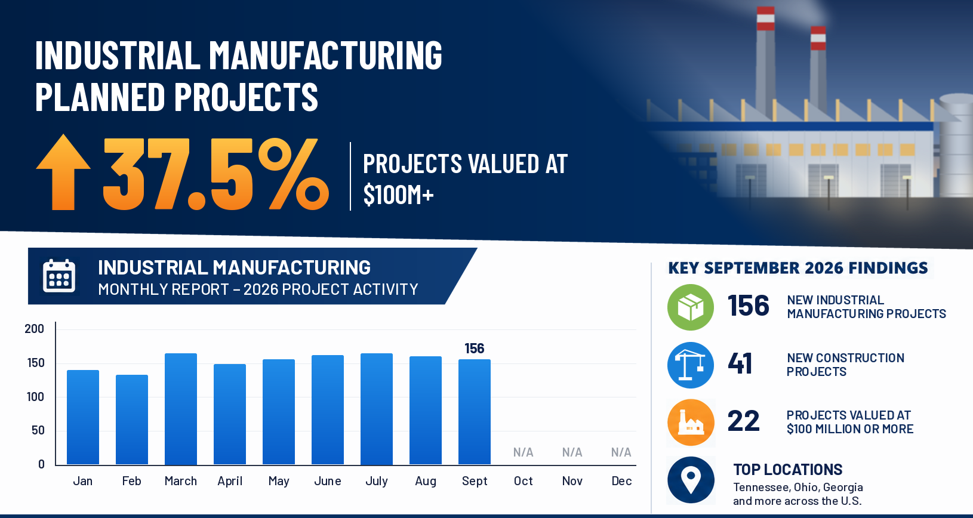
37.5% Growth in $100M New Industrial Planned Projects MoM for September 2026
-
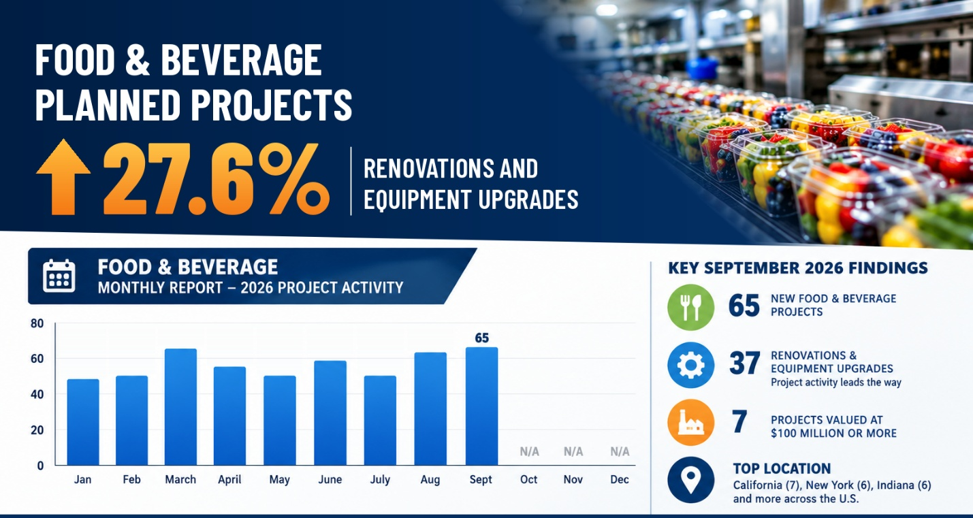
27.6% MoM Increase in Industrial Planned Projects for Renovations and Equipment Upgrades for September 2026
-
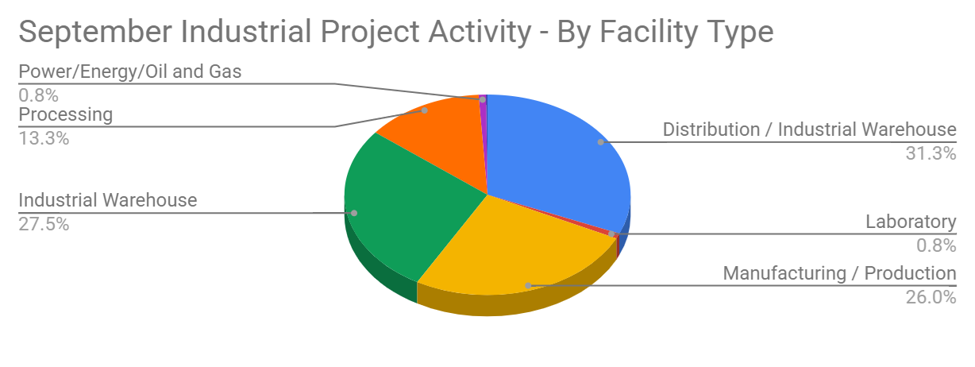
392 New Planned Industrial Projects Tracked in September 2026
-
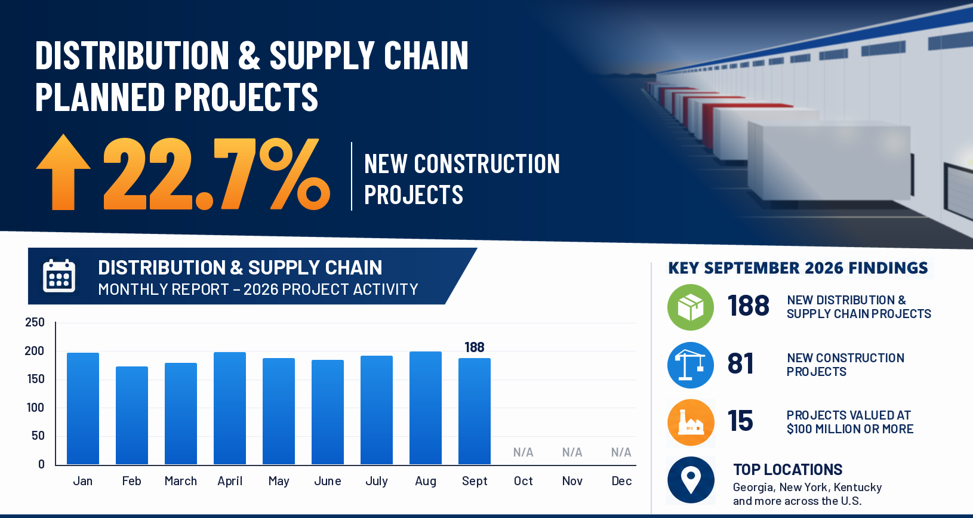
22.7% Increase in September 2026 for New Planned Distribution and Supply Chain Projects Over August 2026
