

Industrial sales performance has always been a critical factor for growth, but in 2026 it has also become a true competitive differentiator. The most successful industrial organizations have found ways to balance data based decision making with the human side of industrial sales, including the motivation, skills, and mindset that keep teams productive and engaged. This balance is harder to achieve than it looks. Economic uncertainty, evolving buyer expectations, and a flood of new digital tools have raised the bar for industrial sales teams. Leaders are expected to deliver results in less time, often with fewer resources.
Research from McKinsey found that companies with top quartile industrial sales operations have win rates up to 20 percent higher than their peers, and their industrial salespeople are more likely to consistently meet or exceed their quotas. The encouraging part of this finding is that strong results are not fixed. They can be measured, influenced, and improved with the right strategies.
This guide will unpack what strong results in this area really mean, how to measure them, the factors that influence them, and twelve practical strategies for improving them. It will also explore how a dedicated prospecting partner can support industrial sales teams through consistent lead generation and qualified appointment setting.
What Industrial Sales Success Really Means
Industrial sales results refer to the effectiveness with which an individual, team, or organization achieves its industrial sales objectives over a specified period. It is not only about revenue numbers. Revenue is the ultimate output, but the outcome also reflects the activities, behaviors, and processes that lead to those results.
Strong industrial sales results mean consistently meeting or exceeding targets, maintaining healthy conversion rates, and building customer relationships that last. This also reflects how well an industrial sales team adapts to market changes, responds to buyer needs, and collaborates internally. From a leadership perspective, success in this area is a balance of quantity and quality. Quantity refers to volume, meaning the number of calls made, proposals sent, or deals closed. Quality focuses on the value of each interaction, the relevance of the solutions offered, and the long term potential of each customer relationship.
How to Measure Industrial Sales Results
Measuring industrial sales results effectively means looking beyond surface level metrics. Revenue and quota attainment are important, but they are lagging indicators. To manage performance proactively, leaders need to track both leading and lagging indicators.
Quota attainment. The percentage of industrial salespeople meeting or exceeding their quota.
Win rate. The percentage of opportunities won out of total opportunities.
Conversion rate. The percentage of leads converted into paying customers.
Average deal size. The mean value of closed deals, which can indicate market positioning and industrial sales effectiveness.
Industrial sales cycle length. How long it takes to move from initial contact to a closed industrial sales deal.
Activity metrics. Calls made, meetings booked, proposals sent, and other measurable actions.
Customer retention rate. A reflection of post sale satisfaction and relationship management.
Pipeline coverage. The ratio of opportunities in the pipeline compared to quota.
Research from Gartner found that organizations tracking a balanced set of leading and lagging metrics are one and a half times more likely to improve their results year over year, reinforcing just how important disciplined measurement is to any program focused on industrial sales.
Key Drivers of Industrial Sales Team Success
Several elements work together to determine how well an industrial sales team performs. These drivers can be internal, such as team motivation, skill development, and process efficiency, or external, such as market conditions, competitive pressure, and shifting customer expectations.
1. Skill and Capability Development. Industrial sales skills, from prospecting to closing, directly impact results. Regular training ensures teams stay competitive in an evolving market while also equipping them to adopt new technologies and adapt to shifting buyer expectations.
2. Motivation and Morale. Motivation acts as a multiplier. High morale fuels resilience and persistence, while low morale can derail even the most skilled industrial sales team and reduce its willingness to engage prospects or push through challenging cycles.
3. Process and Workflow Efficiency. A clear and streamlined industrial sales process reduces friction. It ensures opportunities move smoothly through the pipeline, helping teams focus energy on revenue generating activities rather than administrative or repetitive tasks.
4. Access to the Right Tools. Modern industrial sales require CRM platforms, data intelligence tools, and engagement software. When tools are easy to use, well integrated, and aligned with the industrial sales process, performance improves and adoption remains consistently high.
5. Leadership and Coaching. Managers who provide ongoing and personalized coaching can significantly increase rep performance. Research from CSO Insights found that effective coaching can increase win rates by up to 16 percent and enhance overall team engagement.
6. Market Conditions and Competition. Even the strongest industrial sales teams must adapt to shifting economic trends, competitor activity, and buyer behavior, finding new ways to differentiate their offerings and stay relevant in crowded or rapidly changing markets.
What High Performing Industrial Sales Teams Look Like
A high performing industrial sales team in 2025 is not simply a group of high revenue producers. It is a cohesive unit that blends individual talent with collective discipline, using data insight and human connection in equal measure.
Traits of high performing industrial sales teams include consistent quota attainment across the entire team rather than only among top performers, strong collaboration between industrial sales, marketing, and customer success, high adaptability to new tools and market shifts, a customer first approach that focuses on solving problems rather than pushing products, and a culture of continuous learning and feedback.
Some global industrial organizations have implemented peer learning programs where top performers share strategies with the rest of the team, creating a culture of shared success rather than competition alone.
Why Industrial Sales Improvement Efforts Fail
Many companies set out to improve their industrial sales results with good intentions but see limited outcomes. Common reasons include the following.
Over reliance on short term incentives. Contests and bonuses can drive quick spikes in activity, but they rarely lead to sustained improvement and often fail to address deeper skill or process gaps.
Lack of clarity in goals. Vague targets make it difficult for industrial salespeople to understand what success looks like, reducing focus and hindering their ability to prioritize daily actions effectively.
Insufficient coaching. Without ongoing support, reps may revert to old habits, miss growth opportunities, and struggle to adapt to evolving market or customer expectations.
Misaligned tools. Technology that is cumbersome or poorly integrated slows down productivity, creates frustration among users, and prevents teams from fully leveraging available data and insights.
Ignoring cultural factors. A toxic or disengaged culture can undermine even the best industrial sales process, eroding trust, lowering morale, and driving higher turnover among top performers.
Research from McKinsey found that fewer than 30 percent of industrial sales transformation efforts succeed in achieving sustained performance improvement. The most successful programs are those that combine process improvements with cultural and behavioral change.
12 Proven Strategies to Improve Industrial Sales Results
1. Set Clear, Measurable Goals. Industrial salespeople perform best when they know exactly what they are working toward. Goals should be specific, time bound, and tied to larger business objectives so every action has a clear purpose. Clear targets provide direction and focus, helping reps prioritize high value opportunities and making it easier for leaders to track progress and adjust strategies as needed.
2. Invest in Continuous Training. Continuous training keeps industrial sales teams competitive in a rapidly changing market. Skill building should go beyond product knowledge to include communication, negotiation, and problem solving. Companies with a strong learning culture see higher productivity and a faster market response.
3. Improve Lead Qualification. A well defined ideal customer profile ensures reps focus on prospects most likely to convert. Clear qualification criteria prevent wasted time on leads that lack genuine interest or budget. Data based scoring models refine targeting even further, improving conversion rates and shortening the industrial sales cycle.
4. Enhance Industrial Sales Coaching. Consistent coaching helps industrial salespeople improve skills, stay motivated, and overcome challenges. Effective coaching is personalized, using performance data to identify areas of improvement and growth opportunities. One on one sessions create space for tailored advice and role play scenarios that strengthen technique and boost confidence.
5. Optimize Industrial Sales Processes. Streamlined processes reduce friction and keep opportunities moving. Mapping the buyer journey helps identify bottlenecks that delay deals or create frustration for customers, freeing reps to focus more on selling than on administrative tasks.
6. Leverage Industrial Sales Technology. Modern tools improve productivity and provide valuable insights. CRM automation, AI driven analytics, and engagement platforms remove manual tasks and free up time for selling. Integration is key, since tools that work seamlessly together give leaders and reps the real time data they need at every stage of the pipeline.
7. Foster Collaboration Across Teams. Industrial sales does not work in isolation. Aligning industrial sales, marketing, and customer success ensures consistent messaging and smooth handoffs from one stage to the next. Regular cross team meetings and shared performance goals help break down silos and strengthen customer relationships.
8. Track and Analyze the Right Metrics. Focusing only on lagging indicators like revenue misses early warning signs. Leading metrics, such as pipeline growth or meeting volume, reveal trends before problems escalate, enabling proactive adjustments and smarter allocation of resources.
9. Implement Recognition Programs. Recognition boosts morale and drives sustained effort. Celebrating milestones, wins, and positive behaviors encourages healthy competition and motivates industrial sales teams to push further. Programs can include public shoutouts, peer nominations, or small incentives, as long as they are timely and consistent.
10. Encourage Peer Learning. Top performers have techniques worth sharing. Structured peer learning sessions allow knowledge to spread quickly across the team, building trust and camaraderie while giving reps practical, real world tactics.
11. Personalize Industrial Sales Enablement. Generic resources do not meet every rep's needs. Tailoring enablement materials by territory, vertical, or role ensures relevance and faster adoption, allowing reps to act with greater confidence in front of prospects.
12. Build a Culture of Accountability. Accountability keeps performance on track. Clear expectations and regular check ins ensure commitments are met and progress stays visible to everyone. When leaders model accountability themselves, it sets a standard for the entire industrial sales organization.
Building a Culture that Delivers Consistent Results
Improving results in this area is not about chasing quick wins. It is about creating a system where goals are clear, processes are efficient, and people are motivated to bring their best every day. It requires investment in skills, alignment between teams, and tools that make the job easier rather than harder.
With the right combination of measurement, coaching, technology, and culture, any organization can elevate its industrial sales performance and sustain success over the long term rather than chasing short lived bursts of activity.
Turning Strategy into Qualified Opportunities
Even the strongest internal strategy needs a steady stream of qualified opportunities to act on. SalesLeads' Prospecting Services help industrial and manufacturing companies identify key decision makers, engage them through phone, email, and social outreach, nurture the ones who are not yet ready to talk, and hand industrial sales teams a qualified prospect with a meeting already scheduled. For organizations focused on improving results, a consistent pipeline of well matched, ready to engage buyers is often the missing piece that turns a solid strategy into a repeatable, high growth engine. Contact us today to get started.
Want a predictable flow of qualified leads?
Let’s talk about how we can build it for you.
Latest Posts
-
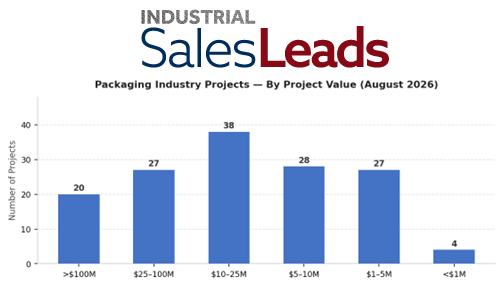
184 New Packaging Industry Projects Drive $17B+ Capital Pipeline in August 2026
-
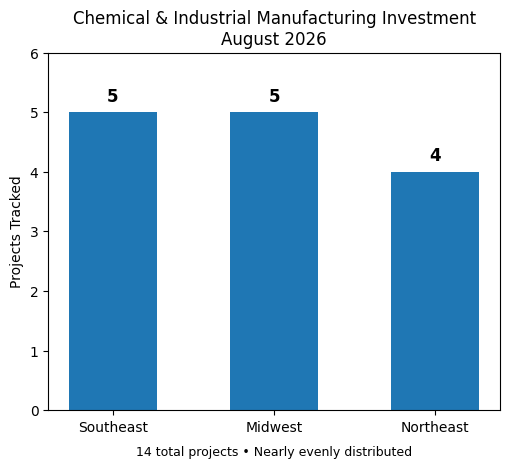
Chemical & Industrial Manufacturing Investment Spans Southeast, Midwest and Northeast in August 2026, with 14 Projects Tracked
-
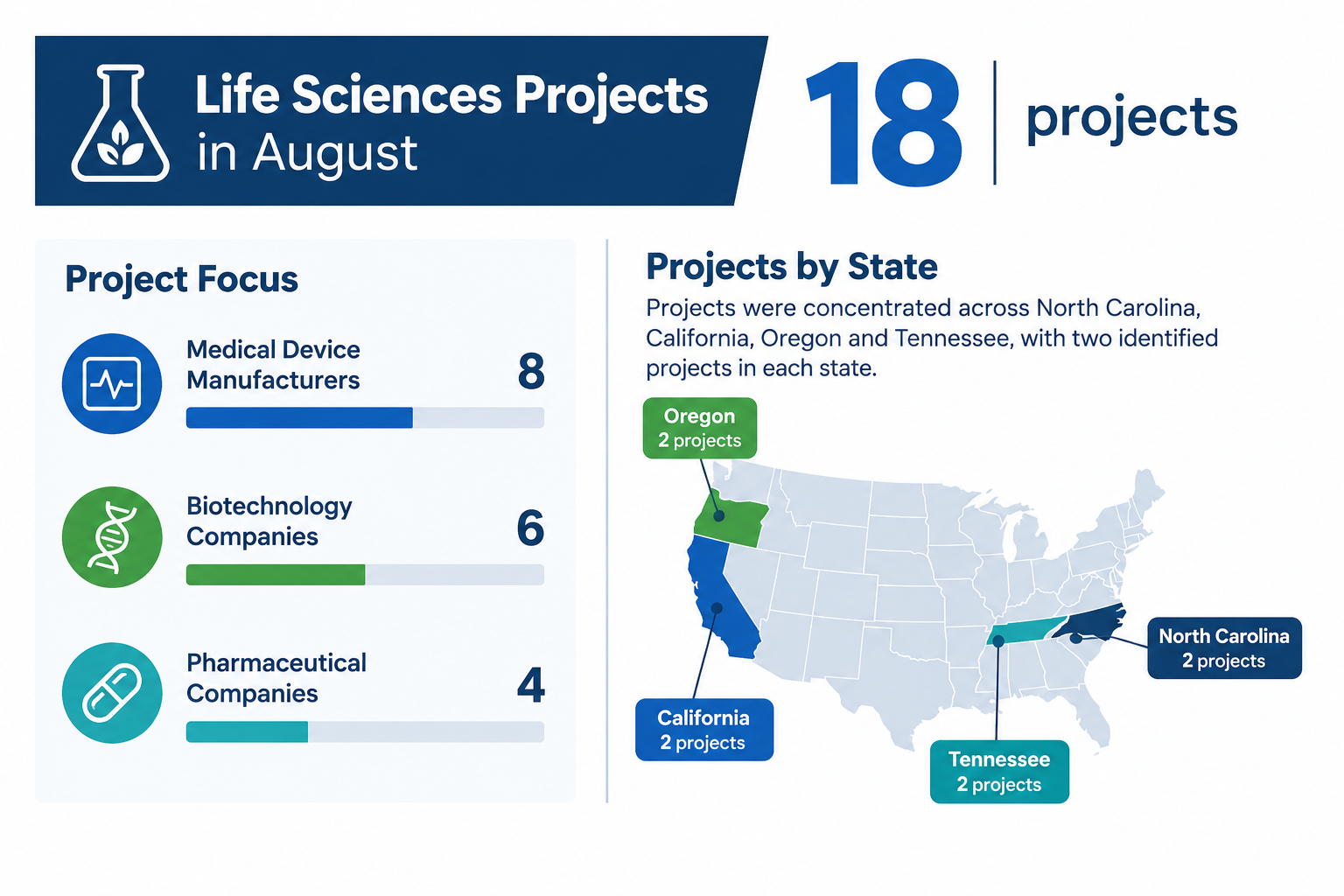
Life Sciences Manufacturing Investment Maintains Investment Momentum with 18 New Projects Identified in August 2026
-
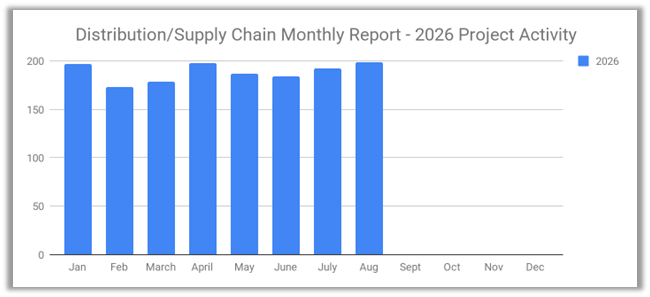
Distribution and Supply Chain Investment Hits 2026 Peak in August, Fueled by Three Months of Accelerating Growth
