

Industrial sales have changed. Cold calls and blind email blasts still have a place, but they're no longer where most industrial sales deals begin. Today, buyers research vendors, follow industry voices, and form opinions about companies long before an industrial sales rep ever reaches out and increasingly, all of that happens on social media. Sellers who show up in those spaces, thoughtfully and consistently, are winning business that never touches a traditional pipeline. This approach is known as social selling, and understanding how social selling can improve your industrial sales process is quickly becoming essential to a modern sales strategy.
The numbers back this up. LinkedIn has found that sellers who actively use social selling techniques outperform peers who don't, and research from HubSpot shows social media now rivals or beats every other channel, including email and phone, when it comes to driving actual sales. With well over 5 billion people active on social platforms worldwide, and that number still climbing, the opportunity to reach buyers where they already are has never been bigger.
What Social Selling Actually Means
Social selling isn't about running ads or blasting promotional posts. It's the practice of using a company's social presence to build authentic relationships with potential customers — sharing useful insights, joining relevant conversations, and paying attention to signals that indicate someone might be ready to buy. Done well, it lets a seller build credibility and stay visible without ever feeling pushy. The goal isn't a single transaction; it's a relationship that can be nurtured over time.
The Five Pillars of a Social Selling Framework
A strong social selling strategy tends to rest on five core elements.
People. The first step is identifying the right decision-makers and steadily growing a relevant network. Platforms like LinkedIn make this easier by surfacing prospects based on signals such as recent job changes or company growth, and by allowing sellers to filter by title, seniority, or function. A wider, more targeted network also means more paths to warm referrals.
Channel. Not every platform deserves equal attention. The right channel depends entirely on where your buyers actually spend their time. For industrial sellers, LinkedIn is generally the strongest performer, industry research consistently shows it delivers the best organic results for B2B marketers. But that's not universal; a business selling directly to consumers might find far more traction on Instagram or through direct messages elsewhere.
Message. Outreach needs to feel relevant, not like a disguised cold pitch. Before sending anything, it's worth asking a few questions: Is there a shared connection worth mentioning? What kind of content does this person actually engage with? What would catch their attention without feeling forced? Messages that pass this test tend to land far better than generic templates.
Timing. When you reach out matters almost as much as what you say. Social listening tools can flag useful moments, a leadership change, a funding round, a company expansion, that make a message more timely and relevant. Even simple data, like knowing when an audience is most active, can meaningfully improve response rates.
Ask. The actual request should come last, only after trust has been established. Jumping straight to a pitch undercuts everything social selling is supposed to accomplish. Instead, lead with value, a useful insight, a helpful answer, a relevant resource, and let the relationship develop before making any kind of ask.
How Social Selling Can Improve Your Industrial Sales Process
Beyond simply increasing sales, a solid social selling approach improves the sales process itself in several distinct ways.
It accelerates trust. Buyers frequently credit a single piece of thought leadership content with pushing them to explore a product or service they hadn't previously considered, and a meaningful share of those buyers go on to purchase from the company that published it. Consistent, useful content builds credibility in a way that traditional outbound rarely can.
It drives more website traffic. As a brand's social presence grows, so does the flow of visitors to its site, which in turn helps improve search visibility and reinforces overall brand authority.
It enables sharper personalization. Sales teams that pay attention to which posts a prospect engages with, or which industry conversations they join, gain real insight into that person's priorities, insight that can be used to tailor outreach directly to their specific concerns, rather than relying on generic messaging.
Measuring What's Working
Social selling doesn't have to be a black box. The key is tracking both activity, what you're doing on social platforms as well as outcomes, what that activity actually produces in terms of leads and revenue.
Start by setting clear goals. Awareness goals call for tracking reach and impressions; engagement goals call for tracking conversations, comments, and shares; and conversion goals call for tracking meetings booked or opportunities created through social channels. From there, choose a small set of KPIs that map to those goals, engagement scores, response rates to direct messages, and, most importantly, the share of the overall sales pipeline that originated from social selling efforts.
CRM software plays an important role here too, helping connect social touchpoints to the broader customer journey so a seller can see how conversations and shares ultimately contribute to closed deals. And because social selling is a long game, it's worth continually testing messages and formats rather than getting discouraged by modest early results.
Choosing the Right Platforms
Not every platform is worth equal investment. The smart move is focusing on wherever your buyers already spend their time.
LinkedIn remains the dominant platform for industrial social selling, with well over a billion members worldwide. A complete, current profile with relevant keywords significantly improves discoverability, and posts that spark genuine professional discussion tend to travel further than promotional content. LinkedIn's Social Selling Index offers a useful (if imperfect) benchmark, built around four components: establishing a strong personal brand, identifying the right people through search and advanced targeting tools, consistently sharing and engaging with content, and steadily building real relationships rather than collecting connections.
Instagram has evolved into a genuinely commerce-driven platform, making it especially valuable for consumer-facing brands. Formats like Stories, Reels, and Carousels each offer different engagement advantages, and features like polls and quizzes can meaningfully boost interaction. Consistency, strong visuals, and responsiveness to comments all matter here, buyers notice, and often reward, brands that engage quickly.
Facebook, despite talk of declining relevance, still commands one of the largest global user bases and remains especially useful for reaching audiences over 35. Status updates, pinned posts, video content, and active Facebook Groups all offer ways to build community, while the platform's advertising tools remain some of the most precise available for retargeting warm leads.
X works well for real-time engagement with trending topics and industry news, and features like live audio sessions can help build a following once a baseline audience exists.
Bringing It All Together
Social selling won't replace every other part of a sales strategy, but it fills a gap that cold outreach alone can't: building trust and visibility before a prospect ever hears a formal pitch. For companies willing to invest in the right platforms, the right messaging, and consistent measurement, it can meaningfully shorten sales cycles and improve lead quality.
Of course, social selling works best as one piece of a broader prospecting strategy. Once your social presence is generating interest, having a dedicated partner to identify and qualify the right decision-makers can help turn that visibility into real, scheduled conversations. SalesLeads' Prospecting Services specialize in identifying key decision-makers within industrial and manufacturing companies, engaging them through phone, email, and social outreach, nurturing prospects who aren't yet ready to talk, and handing sales teams a qualified lead with a meeting already scheduled so your team can spend less time hunting for the right conversation and more time closing it.
Want a predictable flow of qualified leads?
Let’s talk about how we can build it for you.
Latest Posts
-
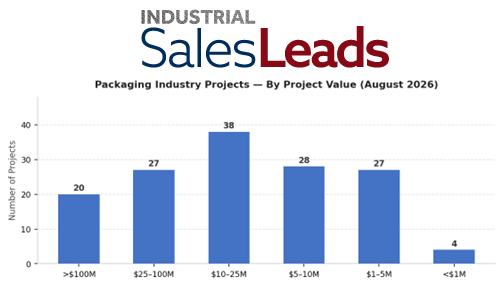
184 New Packaging Industry Projects Drive $17B+ Capital Pipeline in August 2026
-
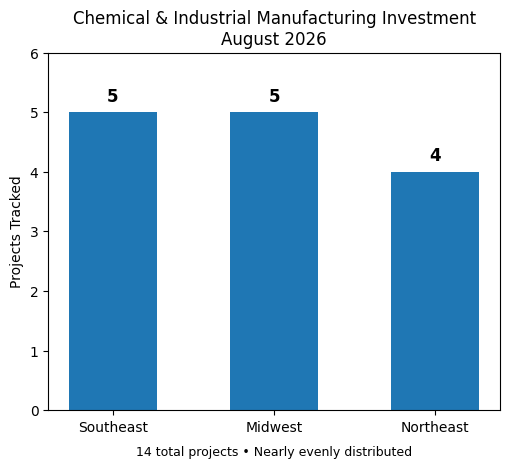
Chemical & Industrial Manufacturing Investment Spans Southeast, Midwest and Northeast in August 2026, with 14 Projects Tracked
-
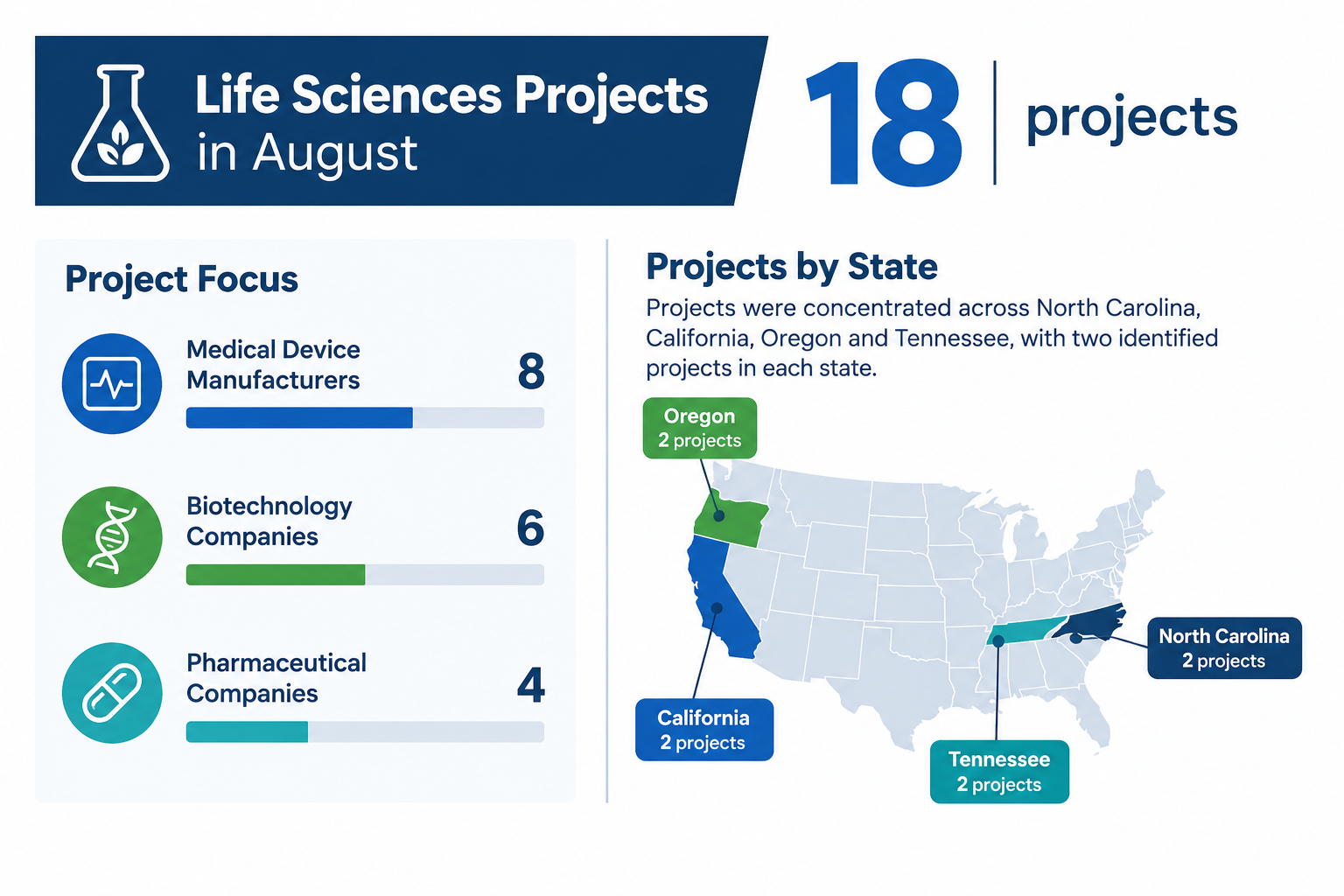
Life Sciences Manufacturing Investment Maintains Investment Momentum with 18 New Projects Identified in August 2026
-
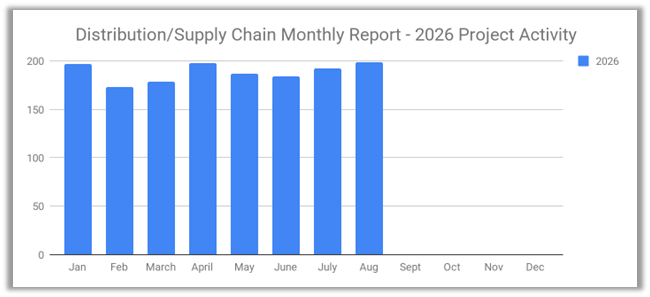
Distribution and Supply Chain Investment Hits 2026 Peak in August, Fueled by Three Months of Accelerating Growth
