
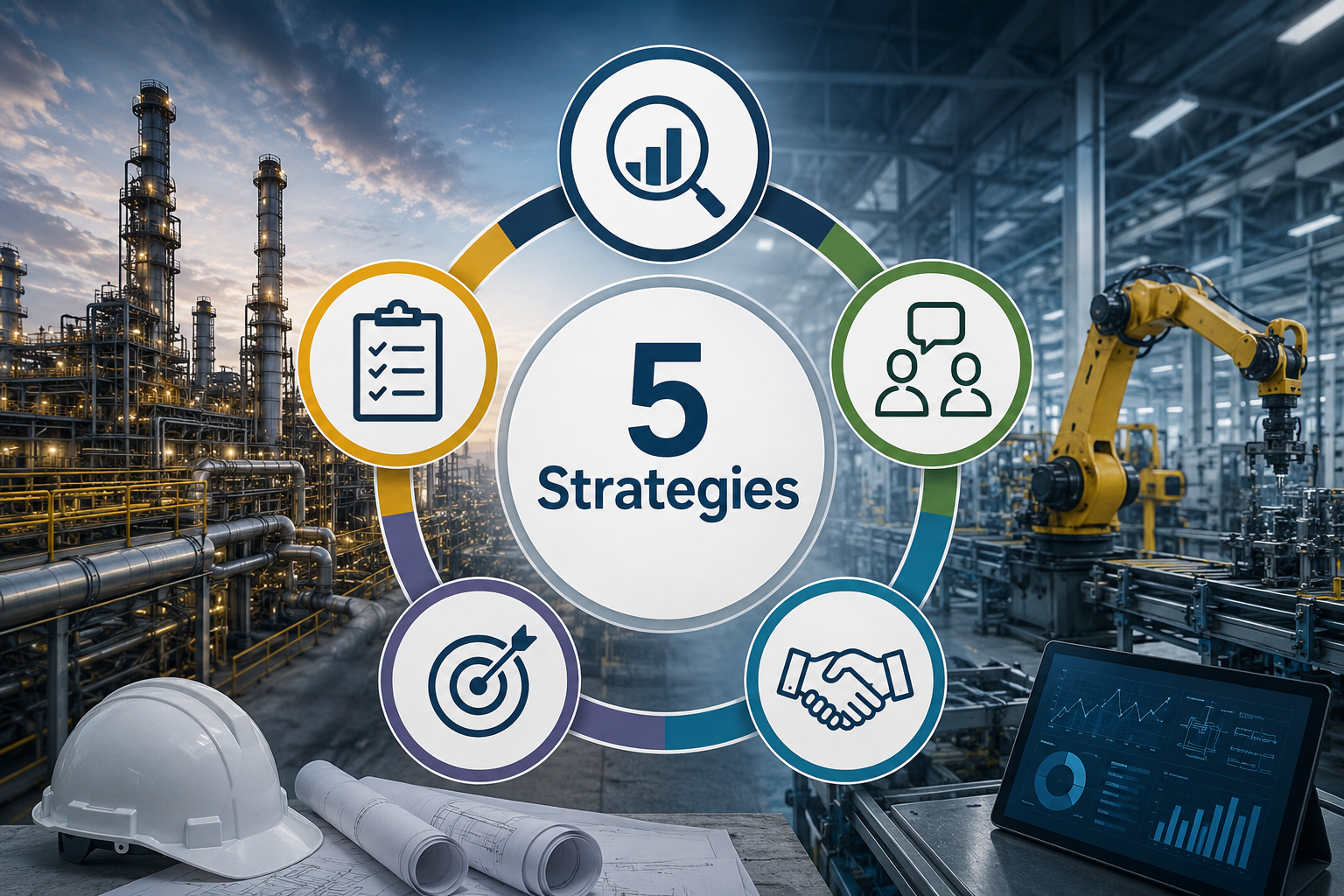
Prospecting manufacturing clients is one of the most challenging and rewarding pursuits in B2B sales. Unlike other industries, manufacturing companies operate within a team of decision makers, long budget cycles, and pressure to prove measurable ROI. Basic outreach strategies will only get you so far. To succeed, industrial sales teams need a strategy as precise and deliberate as the products their prospects build.
Know the Operational Landscape
Before reaching out to prospects, you need to understand how manufacturing companies are structured. Manufacturing operations involve plant managers, procurement specialists, engineers, quality control experts, and executive decision makers, each with distinct priorities and evaluation criteria. Effective prospecting manufacturing accounts means tailoring your message for each layer of this hierarchy, not just one pitch to everyone on a list.
Do Your Research Before You Dial
Effective prospecting begins with research that goes well beyond surface level company information. Look at recent financial performance, facility expansions, and capital investment patterns. A company that has recently acquired a new plant is likely in active procurement mode. This is where you can use the Industrial SalesLeads’ Industrial Market Intelligence Reports. You’ll also be able to monitor any company news and mentions right directly in the system. Of course, you can also use LinkedIn as a reference for new hires, promotions, or strategic announcements. These signals can tell you more about a company's immediate needs.
Knowing Where the Project Are
Timing is everything in prospecting manufacturing prospects. Industrial SalesLeads keeps on top of what the industry is doing and what activity is available to those who service the industrial market. We specialize in identifying the projects and getting those to you as soon as we uncover the project. You’ll be notified via email when a new project is added to the system. Learn about it now.
Speak Their Language
Manufacturing professionals have little patience for vague value claims. When discussing ROI, focus on metrics that matter to manufacturers: Overall Equipment Effectiveness (OEE), mean time between failures (MTBF), production throughput, waste reduction, and energy efficiency.
Build Relationships Across the Organization
No single contact controls a manufacturing purchase. Building relationships across the organization creates redundancy, ensuring your opportunity doesn't disappear if your primary contact leaves. Engage technical staff who can become internal champions, and don't overlook support functions like maintenance and safety teams, who often carry significant influence over buying decisions.
Play the Long Game
Manufacturing sales cycles can extend 6 to 18 months, requiring sustained, purposeful persistence. Every follow up should add value. Share a relevant case study, a compliance update, or an industry insight. Consistent, helpful communication builds the trust that eventually converts a cold prospect into a long term partner.
Prospecting manufacturing clients demands discipline, industry knowledge, and patience. Master these fundamentals, and you'll build a pipeline that delivers not just transactions, but lasting business relationships.
Want a predictable flow of qualified leads?
Let’s talk about how we can build it for you.
Latest Posts
-
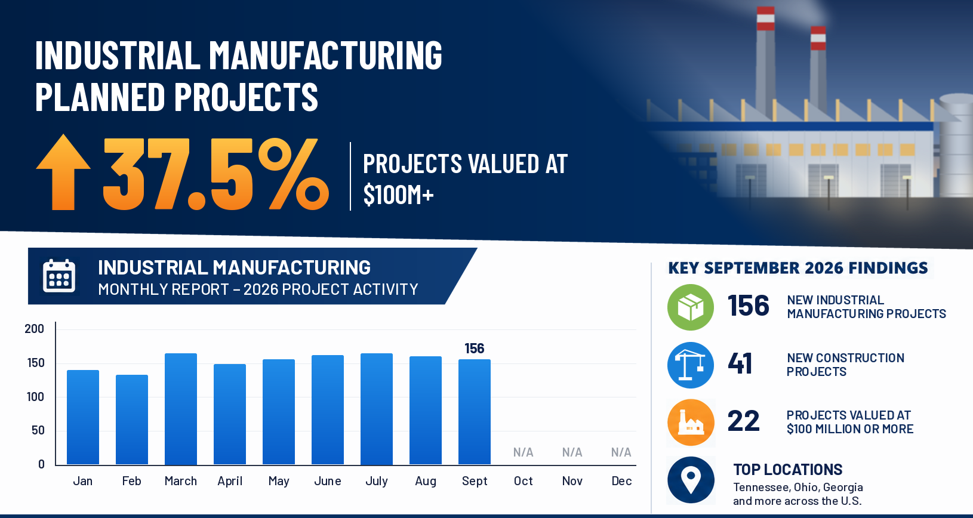
37.5% Growth in $100M New Industrial Planned Projects MoM for September 2026
-
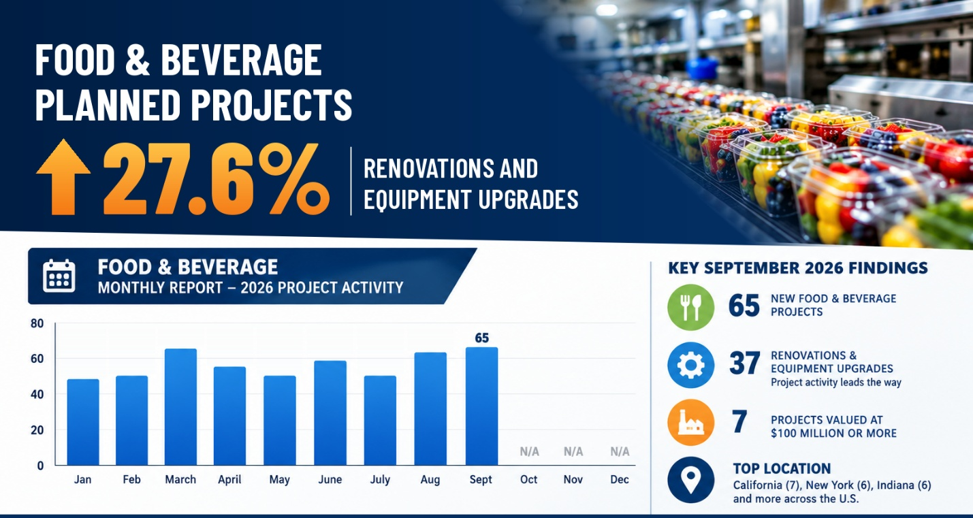
27.6% MoM Increase in Industrial Planned Projects for Renovations and Equipment Upgrades for September 2026
-
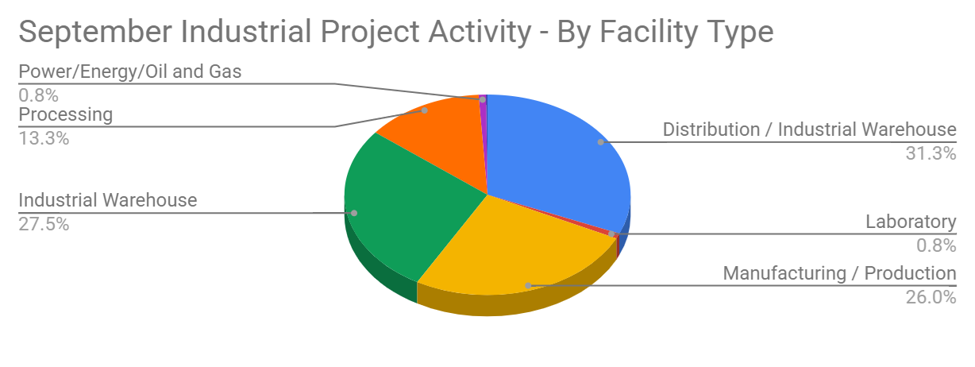
392 New Planned Industrial Projects Tracked in September 2026
-
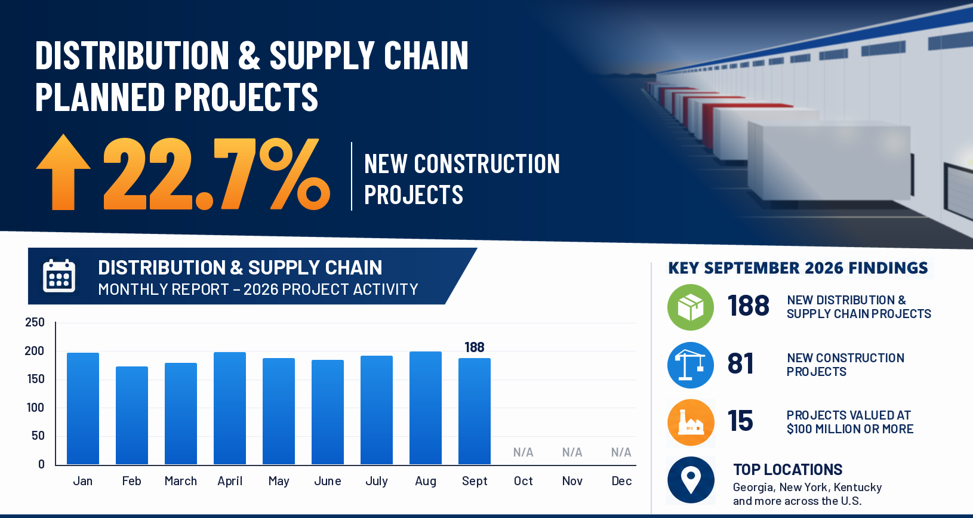
22.7% Increase in September 2026 for New Planned Distribution and Supply Chain Projects Over August 2026
