

Qualify Industrial Leads Faster With Sales Qualifying Questions
Sales qualifying questions help you move beyond “sounds interesting” and into real qualification. In industrial sales, a good discovery conversation should uncover the prospect’s business problem, operational impact, budget reality, timeline, and decision-making group. For example, a sales rep can determine the industrial prospect’s budget, pain points, business problems, and stakeholders involved in their buying decision. Sales qualifying questions for industrial lead can determine if an interested prospect is a likely to become a customer. When you ask the right questions early, you can identify buying intent, reduce wasted follow-up, and keep your sales funnel full of leads that can actually convert.
Q: What are sales qualifying questions?
A: Sales qualifying questions are discovery questions that help determine whether a prospect is a good fit, has a real need, and has a realistic path to purchase.
Industrial lead qualification: The process of confirming whether an industrial prospect has the need, urgency, budget, and decision path to become a viable sales opportunity.
Sales representatives can use sales qualifying questions in their industrial lead qualification to determine important details about their potential prospect. They are used to identify and determine the industrial prospects need. Below are practical, field-tested sales qualifying questions you can use to qualify industrial leads with confidence.
1. Understand Motivation and Business Impact
The first step is to know the challenges and goals of your industrial prospect. Ask yourself, what problem(s) are they trying to solve? Start by learning why they are looking and what they need to change. Skip yes or no questions. Ask open-ended questions that draw out specifics and measurable impact.
Sales qualifying questions to ask:
-
What triggered the search for a new supplier or solution right now?
-
What problem are you trying to solve first, and why is it a priority?
-
How is this impacting production, downtime, scrap, safety, cost, or delivery today?
-
If you solve this, what does success look like in 30, 60, and 90 days?
Why this works: You are qualifying urgency and fit, and you are gathering the metrics that will later support your proposal.
Q: Why do sales qualifying questions matter in industrial sales?
A: Industrial buying decisions are complex, involve multiple stakeholders, and often require budget approval. Qualifying questions help you avoid stalled deals and reduce time spent on unqualified leads.
Sales qualifying questions: Questions used in discovery to uncover pain points, impact, timeline, decision-makers, and buying intent.
2. Identify the Decision-Making Process
In industrial sales, the first person you speak with may not be the final decision-maker. Qualify the process early so you do not get stuck selling to someone who cannot buy.
Sales qualifying questions to ask:
-
Who else is involved in evaluating and approving this decision?
-
What does your internal approval process look like?
-
What criteria will your team use to compare vendors?
-
What concerns do operations, engineering, procurement, or finance typically raise?
Why this works: You learn who needs to be in the conversation and what objections will surface later, so you can address them now.
Q: How many qualifying questions should I ask on the first call?
A: Enough to confirm fit, urgency, decision process, and timing. You do not need every detail, but you do need clarity on whether the opportunity is real.
Cost of inaction: The measurable downside of doing nothing, such as downtime, production loss, scrap, safety risk, delayed delivery, or missed revenue.
3. Confirm Budget, Timeline, and the Cost of Inaction
Questions about buying decisions help identify the best person or department to contact. The next step is to understand the industrial lead’s budget. These questions help you gauge the seriousness of the lead and whether they are financially ready to proceed. Budget questions are not just about price. They help you understand whether the project is real, whether it is funded, and when it can move forward.
Sales qualifying questions to ask:
-
Is there budget allocated for this project, or is it still being planned?
-
Are you targeting implementation this year or next year?
-
What is your timeline for making a decision and starting rollout?
-
What happens if nothing changes this quarter? What does waiting cost you?
Why this works: You qualify readiness and timing, and you surface the “why now” that drives action.
Q: How do I ask about budget without sounding pushy?
A: Frame budget as planning: ask whether budget is allocated, what range they expected, and what timing they are working under. Keep it factual and tied to implementation reality.
Buying intent: Signals that a prospect is actively evaluating solutions and has a real reason to purchase, not just researching.
4. Understand Their Current Solution and Competitors
Lastly, assess the industrial prospect’s current solution, aka your competition. By asking these questions, you can refine your sales pitch to directly counter any issues the prospect has with the competition. If they already have a vendor or internal process, you need to understand what is working and what is failing. This helps you position your offer clearly without guessing.
Sales qualifying questions to ask:
-
What solution or supplier are you using today?
-
What do you like about the current setup?
-
What is not working, and what would you change first?
-
Are you evaluating other vendors? Who else is being considered?
Why this works: You learn the real switching triggers and the competitive landscape, which sharpens your pitch and your next steps.
Q: What should I qualify first: budget or need?
A: Start with need and impact, then move into budget and timeline once you understand what problem they are trying to solve and why it matters.
Decision-making process: The internal steps a company uses to evaluate vendors, approve budget, and authorize implementation.
Integrate These Questions Into Your Sales Process
Overall, sales qualifying questions give a deeper understanding of your industrial prospect’s needs. Don’t forget to remain professional place these questions…conversationally. You’ll get more information that way. Be authentic and interested in your prospect’s needs. Match the prospect’s energy/mood – if they are energetic, then match this mood. This helps the prospect feel comfortable and give you the information you need to ultimately make the sale.
The best qualifying conversations do not feel like an interrogation. Keep the tone professional and conversational. Ask questions naturally, listen closely, and follow the thread when the prospect reveals something important.
A simple rule: the clearer the prospect is about impact, urgency, decision process, and timeline, the more likely you are talking to a qualified industrial lead.
Q: What if the person I am talking to is not the decision-maker?
A: Ask how decisions are made and who is involved. Then request a next step that includes the right stakeholders so the process does not stall.
Stakeholders: The people involved in evaluating, approving, or influencing a buying decision, often including operations, engineering, procurement, finance, and leadership.
Now You Answer the Questions
Use these same questions to pressure-test your own pipeline and prospecting approach.
Take these same questions, and answer them for our Prospecting Services. Our Prospecting Services are built specifically for industrial sales teams. We help fill your sales funnel with qualified appointments based on your best customers and target accounts, so your team spends time selling, not chasing.
Contact us today to see how it works.
What to learn more? Get in Touch
Latest Posts
-
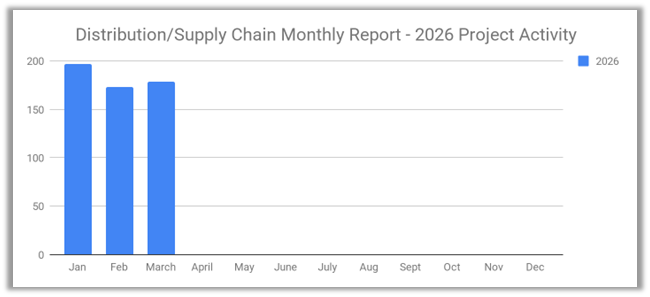
U.S. Distribution and Supply Chain Sector Records 179 New Capital Projects in March 2026, Driven by Warehouse Construction and Equipment Upgrades
-
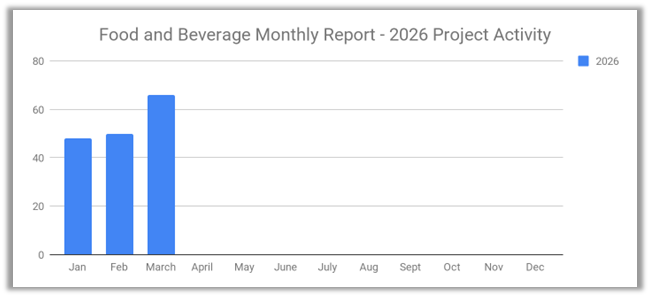
Food and Beverage Capital Investment Remains Strong in March 2026 with 66 New Projects Spanning Processing, Expansion, and Modernization
-
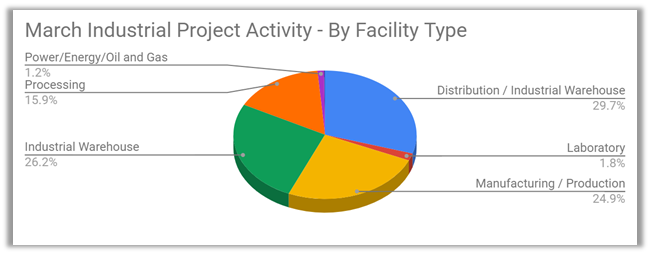
U.S. Industrial Construction Activity Rises 9% in March 2026, Tracked 419 New Planned Projects Across North America
-
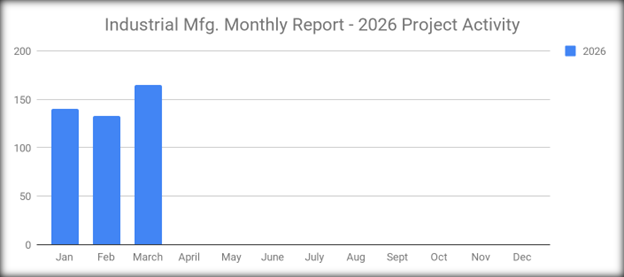
U.S. Industrial Manufacturing Sector Tracked 165 New Capital Projects in March 2026, Topping $8.6B in Combined Investment
