
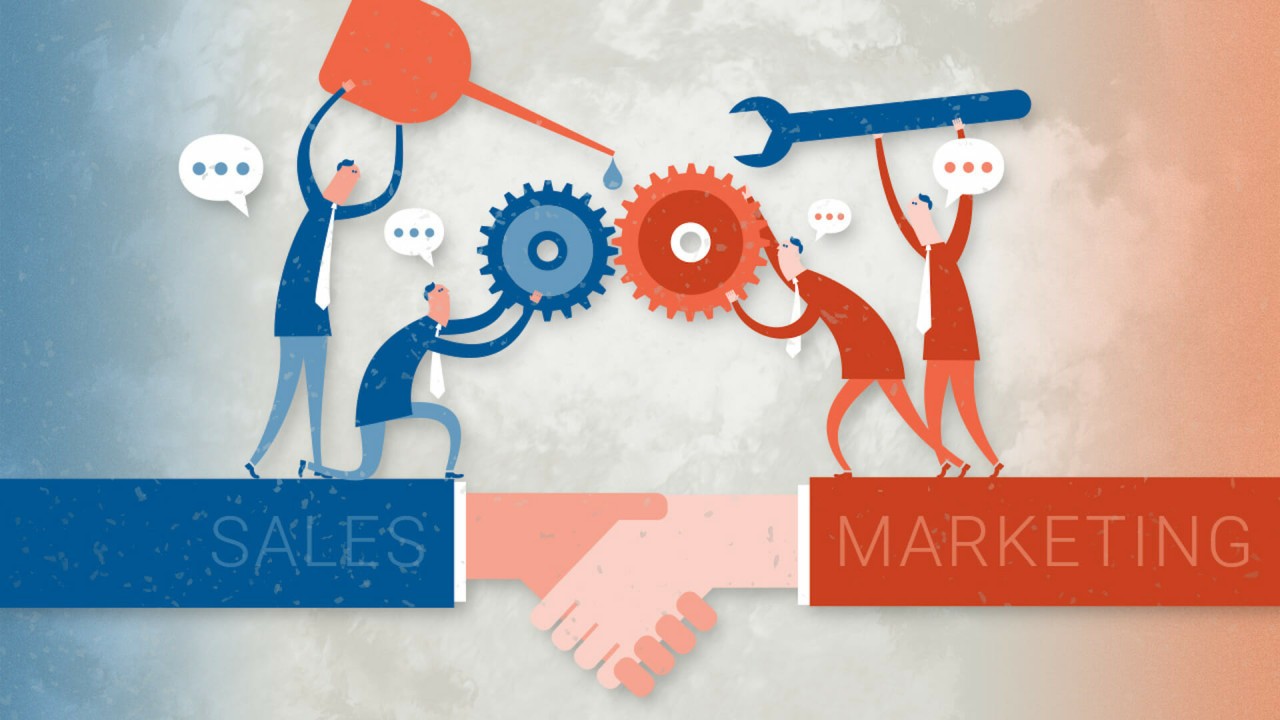
Industrial sales success rarely comes from sales activity alone. In complex B2B markets, buyers often research suppliers, compare technical capabilities, review case studies, and evaluate vendors long before they agree to speak with a salesperson.
That is where strategic B2B marketing becomes essential. For industrial companies, marketing is not just branding or promotion. It is the system that helps the right prospects discover the company, understand its capabilities, trust its expertise, and move toward a qualified sales conversation.
B2B marketing supports industrial sales by building awareness, increasing credibility, generating leads, qualifying interest, enabling the sales team, and nurturing long buying cycles. When marketing and sales are aligned, industrial companies can build a more predictable pipeline instead of relying only on referrals, trade shows, and cold outreach.
What B2B Marketing Means in Industrial Sales
Industrial marketing is the process of promoting, positioning, and selling products or services from one business to another in manufacturing, construction, distribution, logistics, engineering, facility services, and other industrial sectors.
Unlike consumer marketing, industrial B2B marketing often needs to explain technical value, support complex decision-making, and build credibility with multiple stakeholders.
Industrial buyers may care about:
-
technical specifications
-
reliability
-
safety
-
compliance
-
delivery timing
-
installation requirements
-
operational fit
-
service coverage
-
cost justification
-
vendor experience
-
long-term support
That means marketing has to do more than create awareness. It has to make the sales process easier.
Glossary: B2B industrial marketing: B2B industrial marketing is the process of promoting industrial products, services, expertise, and solutions to business buyers in sectors such as manufacturing, construction, distribution, logistics, energy, and facility operations.
Building the Foundation: Awareness and Credibility
Before an industrial sales conversation can begin, potential buyers need to know a company exists and believe it may be capable of solving their problem.
Strategic B2B marketing helps create that foundation.
Industrial companies can build awareness and credibility through:
-
search engine optimization
-
technical blog posts
-
industry guides
-
white papers
-
case studies
-
webinars
-
trade show promotion
-
email marketing
-
digital advertising
-
LinkedIn campaigns
-
product and service pages
-
testimonials
-
comparison content
-
resource centers
Search Engine Optimization, or SEO, is especially important because industrial buyers often begin with problem-based or technical searches. They may not search for a vendor by name at first. Instead, they may search for a specific application, requirement, industry issue, equipment need, or service category.
Content marketing also plays an important role. White papers, case studies, technical blog posts, and webinars can establish the company as a useful resource before a direct sales approach happens.
Glossary: Industrial SEO: Industrial SEO is the process of improving a company’s website so industrial buyers can find its products, services, expertise, and technical resources through search engines.
FAQ: Why does B2B marketing matter for industrial sales?
B2B marketing matters because industrial buyers often research companies before speaking with sales. Marketing helps build awareness, credibility, trust, and education so prospects are more prepared for a productive sales conversation.
Generating and Qualifying Opportunities
Sales teams are usually strongest when they are working active opportunities, speaking with qualified prospects, preparing proposals, and closing business. Marketing can support that process by identifying and qualifying potential opportunities at scale.
Digital advertising campaigns, optimized landing pages, technical resources, contact forms, call tracking, and website analytics can all help turn anonymous interest into measurable sales activity.
A strong industrial marketing system can help answer questions such as:
-
Which industries are engaging with the company?
-
Which services or products are attracting interest?
-
Which pages are generating form submissions?
-
Which campaigns are producing qualified leads?
-
Which prospects are returning to the site?
-
Which content assets suggest serious buying intent?
-
Which leads should be nurtured before sales outreach?
-
Which leads are ready for direct follow-up?
Marketing automation can also help nurture leads based on engagement. A prospect who downloads a guide, visits a product page, reads a case study, and returns later may be more qualified than someone who only visits the homepage once.
Glossary: Lead qualification: Lead qualification is the process of determining whether a prospect is a good fit based on need, timing, authority, budget, industry, location, engagement, and sales potential.
Enabling the Industrial Sales Process
Marketing support should not stop when a lead is passed to sales. In industrial markets, sales teams often need strong materials to explain complex offerings, answer technical questions, and justify value to multiple stakeholders.
Sales enablement resources may include:
-
brochures
-
capability sheets
-
technical specification sheets
-
application guides
-
presentation decks
-
ROI calculators
-
product comparison documents
-
case studies
-
industry-specific landing pages
-
FAQ content
-
proposal language
-
objection-handling resources
-
email follow-up templates
These materials help salespeople communicate clearly and consistently. They also help buyers share information internally with procurement, engineering, finance, operations, safety, and executive decision-makers.
Marketing insights can support the sales team as well. Website analytics, campaign performance, search data, and market research can help sales understand what prospects care about before the first conversation.
FAQ: How does marketing help industrial sales teams close deals?
Marketing helps sales teams close deals by providing credibility-building content, sales collateral, technical resources, case studies, ROI tools, and campaign insights that make it easier to explain value and support buyer decision-making.
Account-Based Marketing for Industrial Sales
Account-Based Marketing, or ABM, is especially useful in industrial markets because many companies know the types of accounts they want to reach.
Instead of marketing broadly to everyone, ABM focuses on specific companies, industries, regions, or buyer roles that match the ideal customer profile. Sales and marketing teams work together to identify priority accounts, tailor messaging, and coordinate outreach.
An industrial ABM campaign may target:
-
specific manufacturers
-
distribution centers
-
engineering firms
-
plant operators
-
construction companies
-
facility owners
-
procurement teams
-
operations leaders
-
maintenance directors
-
companies planning expansions
-
companies investing in modernization
ABM works best when it combines marketing visibility with sales follow-up. Marketing can warm up the account through ads, content, email, and retargeting. Sales can then follow up with a more relevant message.
Glossary: Account-Based Marketing: Account-Based Marketing, or ABM, is a B2B strategy where sales and marketing teams focus on specific target accounts instead of broad, general audiences.
FAQ: Why is ABM useful for industrial companies?
ABM is useful because industrial sales often involve high-value target accounts, long buying cycles, and multiple decision-makers. ABM helps marketing and sales focus resources on the companies most likely to become valuable customers.
Nurturing Long Industrial Buying Cycles
Industrial sales cycles can be long. A prospect may be interested but not ready to buy until budget, timing, approvals, facility needs, or project milestones line up.
That is why lead nurturing matters.
Marketing can keep prospects engaged with useful content over time, including:
-
educational emails
-
technical articles
-
project examples
-
case studies
-
industry updates
-
retargeting campaigns
-
webinars
-
product comparisons
-
buyer guides
-
maintenance or planning tips
The point is not to pester prospects. The point is to stay useful and visible while the buyer moves through their process.
A strong nurture program helps ensure that when the prospect is ready to talk, the company is already familiar and credible.
Glossary: Lead nurturing: Lead nurturing is the process of staying in contact with prospects over time by providing relevant information, resources, and follow-up until they are ready for a sales conversation.
Using Performance Marketing to Support Industrial Sales
Performance marketing is one of the clearest ways B2B marketing can support industrial sales because it connects campaigns to measurable results.
For industrial companies, performance marketing may include:
-
paid search advertising
-
LinkedIn advertising
-
retargeting
-
landing page testing
-
conversion tracking
-
call tracking
-
form tracking
-
campaign reporting
-
audience targeting
-
lead quality review
-
CRM feedback loops
Digital advertising can place an industrial brand directly in front of ideal customer profiles. Real-time performance data can show which campaigns are driving visits, form submissions, calls, and qualified opportunities.
The key is tracking quality, not just volume. A campaign that produces fewer but better-fit leads may be more valuable than one that generates a high number of weak inquiries.
Glossary: Performance marketing: Performance marketing is a digital marketing approach where campaigns are measured by specific outcomes such as clicks, leads, calls, form submissions, opportunities, or revenue contribution.
Aligning Marketing and Sales Around Pipeline Growth
Marketing and sales should not operate as separate islands throwing messages in bottles at each other. Industrial growth works better when both teams agree on what a qualified opportunity looks like.
Alignment may include shared definitions for:
-
target industries
-
ideal customer profile
-
priority accounts
-
lead qualification criteria
-
buyer roles
-
campaign goals
-
handoff process
-
CRM tracking
-
follow-up timing
-
lead quality feedback
-
pipeline reporting
When sales gives marketing feedback about lead quality, marketing can improve targeting and messaging. When marketing provides sales with campaign and engagement data, sales can follow up with better context.
This feedback loop helps turn B2B marketing from a visibility function into a pipeline growth system.
FAQ: How should industrial sales and marketing teams work together?
Industrial sales and marketing teams should align around target accounts, lead qualification criteria, buyer roles, campaign goals, content needs, CRM tracking, and feedback on lead quality. This helps both teams focus on pipeline growth instead of disconnected activity.
How Industrial SalesLeads Can Help
Industrial SalesLeads helps industrial companies connect marketing activity with sales opportunities through performance marketing, prospecting support, industrial market intelligence, and lead generation services.
For companies selling into manufacturing, construction, distribution, logistics, facility services, equipment, and other industrial markets, this support can help improve visibility, target better-fit prospects, and connect campaigns to sales conversations.
Through Performance Marketing Services, Industrial SalesLeads can help promote an industrial brand directly in front of ideal customer profiles, track campaign performance, and connect industrial prospects to the sales team.
Talk to us about how we can help connect industrial prospects to your sales team.
Final Thoughts
Strategic B2B marketing supports industrial sales by creating visibility, building credibility, generating qualified interest, enabling sales conversations, and nurturing long buying cycles.
For industrial companies, marketing should not be treated as decoration. It should be part of the sales engine.
When marketing and sales work together around clear targets, useful content, measurable campaigns, and qualified pipeline growth, industrial companies are better positioned to win the right customers.
Nurturing Long-Term Relationships to Enable B2B Marketing Supports Industrial Sales
One way to help B2B marketing to support industrial sales is through our Performance Marketing Services. The digital advertising promotes your industrial brand right directly in front of your ICP’s. Digital advertising allows us to track performance metrics with real-time data. This will give you greater visibility and tracking with your marketing channel. Talk to us about how we can connect industrial prospects to your sales team with sales leads.
Want a predictable flow of qualified leads?
Let’s talk about how we can build it for you.
Latest Posts
-
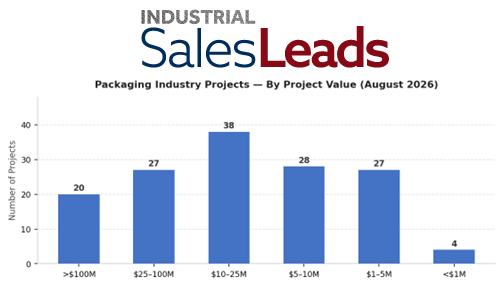
184 New Packaging Industry Projects Drive $17B+ Capital Pipeline in August 2026
-
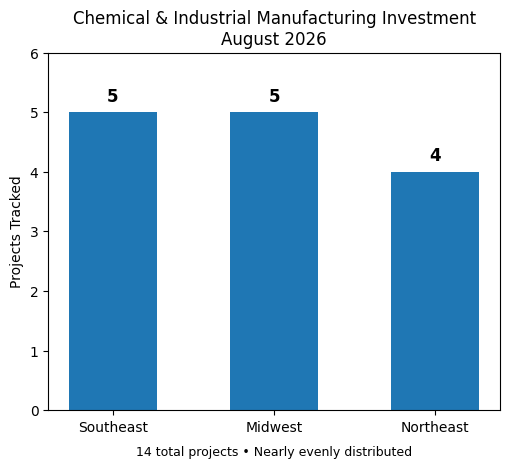
Chemical & Industrial Manufacturing Investment Spans Southeast, Midwest and Northeast in August 2026, with 14 Projects Tracked
-
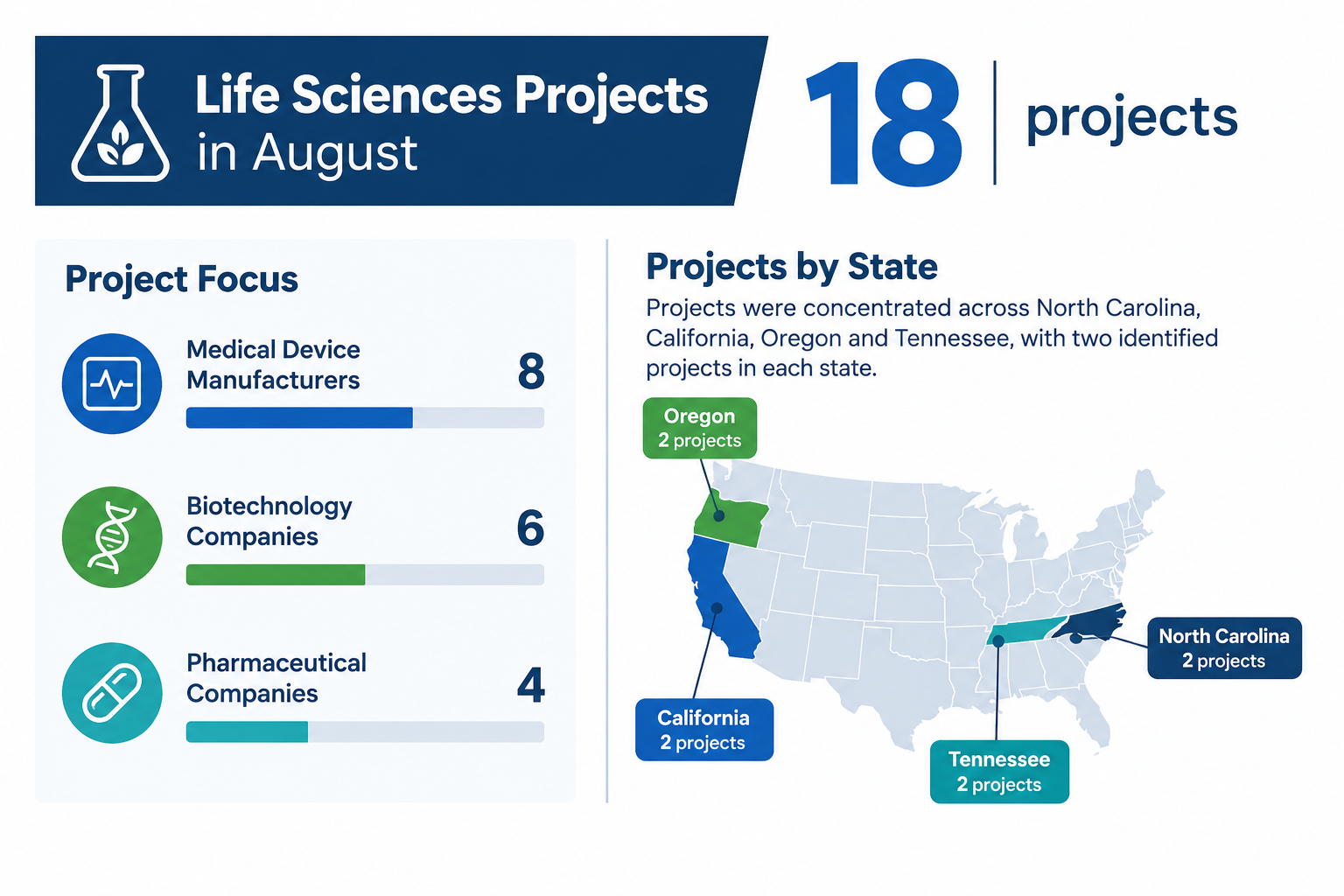
Life Sciences Manufacturing Investment Maintains Investment Momentum with 18 New Projects Identified in August 2026
-
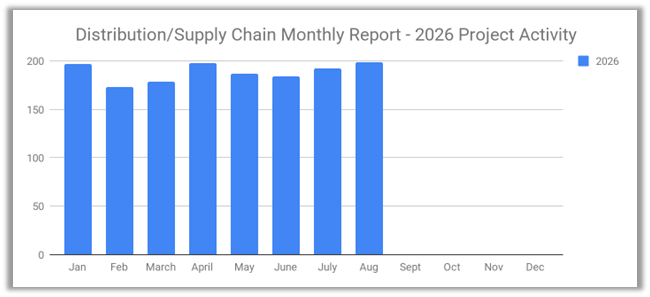
Distribution and Supply Chain Investment Hits 2026 Peak in August, Fueled by Three Months of Accelerating Growth
