

An industrial sales follow up call can be harder than the initial cold call because it is no longer hypothetical. This is the moment the sales cycle becomes real. Expectations are set. Trust is built or lost. Next steps either tighten into a plan or drift into silence. This is when the relationship between your business and the potential client begins.
It’s important to have a solid foundation of follow up strategies to get the most out of your effort and make the perfect follow-up call. A strong follow up process keeps momentum without creating pressure. It confirms commitment, signals professionalism, and gives the prospect a reason to stay engaged.
Q: Why is the follow up call harder than the cold call?
Because it starts the real sales cycle. Expectations, urgency, and next steps become concrete, and the prospect will quickly decide whether you are worth their time.
Follow up call: A scheduled sales conversation after initial contact designed to confirm interest, align on next steps, and advance the deal.
1. Secure Commitment Before You Hang Up
During the initial conversation, you should not leave the follow-up to chance. The foundation of a successful follow up call starts on the first call. Do not leave the next touch to chance. This shows respect for your prospect's schedule and sets a professional tone from the start.
Instead of “I will call you next week,” lock in a specific date and time.
What to do:
-
Confirm a day and time while you are still on the phone
-
Restate the goal of the follow up in one sentence
-
Ask who else should join if the decision involves multiple stakeholders
Q: How soon should I schedule an industrial sales follow up call?
As soon as there is confirmed interest. Lock a specific date and time during the first call so momentum does not fade.
Agenda email: A brief pre-call message that outlines topics, confirms timing, and may include a resource tied to the prospect’s needs.
2. Send an Agenda That Adds Value
As the scheduled industrial sales follow-up call approaches, preparation shows up before you do. The day before the call, send a brief reminder email with a clear agenda. This email should be low-pressure and professional, outlining the topics you plan to discuss and reinforcing the value you bring to the table.
A smart move is to include something helpful: a short article, checklist, or insight tied to the pain point you discussed in your previous conversation. This makes the follow up feel like progress, not pursuit. This demonstrates that you’ve been thinking about their needs and are not just making a generic sales call.
What to include in the agenda email:
-
The purpose of the call
-
2 to 4 bullet topics you will cover
-
Any prep request, such as metrics, constraints, or stakeholders to invite
-
One relevant resource that supports their goals
Q: What should I say instead of “just following up”?
Reference the specific pain or gain from the first call, confirm the agenda, and ask a question that moves the conversation forward.
Commitment: A clear agreement to a specific date and time for the next conversation, not a vague promise to reconnect.
3. Be Punctual and Open With Specific Context
When the time for the call arrives, punctuality is paramount. Call on time. Always, to show professionalism and respect for your prospect. The opening of the call is critical. Then skip weak openers like “Just calling to follow up.” Lead with context that proves you remember the conversation and that you have a plan.
Instead, craft an opening statement that immediately reminds them of the specific "pain" or "gain" you discussed previously and reinforces the agenda. For an industrial sales follow-up call, this might involve referencing a specific operational challenge or a potential efficiency gain discussed during the initial meeting.
Better opening pattern:
-
One sentence recap of the pain or gain discussed
-
One sentence confirming the agenda
-
One question to get them talking immediately
Q: How many follow up attempts is too many?
Multiple attempts in one day can be fine if you are transparent and professional. After that, space attempts out by about 3 business days to stay persistent without becoming noise.
Persistence: A structured, professional sequence of attempts that protects momentum without irritating the prospect.
4. Stay Persistent Without Becoming Noise
Prospects miss scheduled calls. It happens. It often happens that your prospect is occupied at that time or doesn’t show up to the arranged call. If you're unable to reach your prospect, leave a concise, professional message. State that you’ll call within the next 10 minutes, then do so. If they don’t pick up again, leave another message with the time you’ll call again. Repeat the process twice or three times.
If you cannot reach them:
-
Leave a concise voicemail
-
Tell them you will call again in 10 minutes, then do it
-
If no answer, leave one more message with the next exact time you will call
-
Repeat 2 to 3 attempts that day, then space future attempts about 3 business days apart
Your job is to be consistent and professional, not irritated or invisible. The goal is to be persistent without being annoying. If there is still no response on the same day, then you should continue with further spaced-out attempts. Space out your follow-up attempts by about 3 days. This shows persistence but doesn’t pressure the potential client. This signals structure and seriousness without sounding needy.
Q: Should I send an agenda email before the follow up call?
Yes. It increases show rates and positions you as organized. Adding a helpful resource makes the follow up feel like value, not pressure.
Ready to Do More Follow Up Calls Without Starting From Scratch?
If you want to work with what’s in the sale funnel whether than constantly trying to fill it and work on it, we can help with our Prospecting Services. We support industrial teams with qualified appointments so your follow up calls happen with real opportunities, not guesswork.
What to learn more? Get in Touch
Latest Posts
-
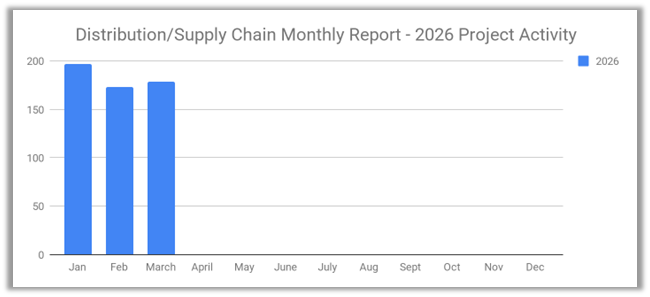
U.S. Distribution and Supply Chain Sector Records 179 New Capital Projects in March 2026, Driven by Warehouse Construction and Equipment Upgrades
-
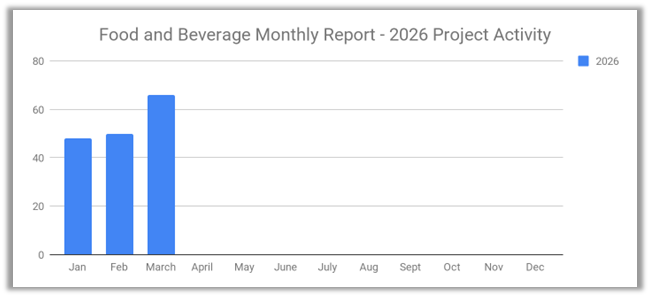
Food and Beverage Capital Investment Remains Strong in March 2026 with 66 New Projects Spanning Processing, Expansion, and Modernization
-
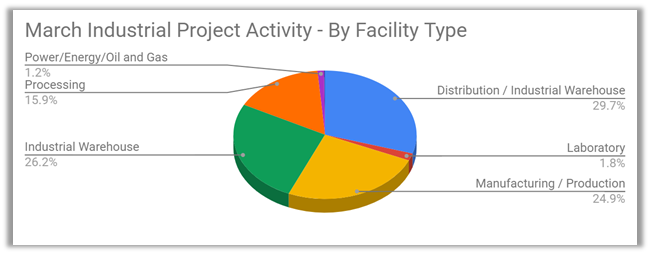
U.S. Industrial Construction Activity Rises 9% in March 2026, Tracked 419 New Planned Projects Across North America
-
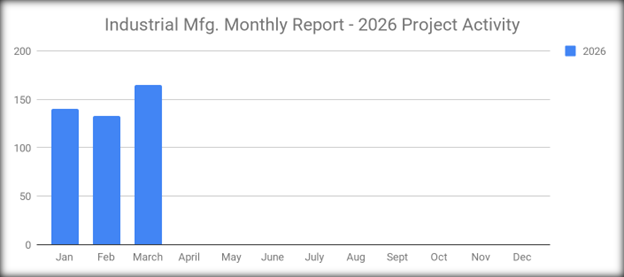
U.S. Industrial Manufacturing Sector Tracked 165 New Capital Projects in March 2026, Topping $8.6B in Combined Investment
