
Developing industrial leads is not simply a matter of collecting more names, phone numbers, or email addresses. The real goal is to identify prospects that match the company’s ideal customer profile, have a relevant business need, and show genuine potential to become qualified sales opportunities.
Many industrial companies focus heavily on lead volume. But volume without quality can create more work without creating more revenue. Sales teams waste time pursuing poor-fit accounts, marketing resources are spread too thin, and the pipeline fills with names that are unlikely to convert.
Industrial lead development works better when it is built around targeting, relevance, timing, and business context. The following four strategies can help industrial companies move beyond raw volume and develop leads that are more useful to the sales team.
What Makes an Industrial Lead Valuable?
A valuable industrial lead is not just a person who downloaded a guide or submitted a form. A strong lead should also match the company’s market, capabilities, geography, and sales priorities.
Useful qualification factors may include:
- industry and facility type
- company size
- location and service area
- job title and buying influence
- technical need
- project timing
- budget potential
- facility expansion or modernization activity
- equipment or service requirements
- willingness to engage with sales
The strongest industrial leads combine fit with a reason to act.
Glossary: Industrial lead development: Industrial lead development is the process of identifying, qualifying, educating, nurturing, and engaging prospects that may need industrial products, equipment, construction, services, or project support.
1. Improve Targeting With a Clear Ideal Customer Profile
One of the most common reasons for poor lead quality is weak targeting. Casting a wide net across the industrial market may produce activity, but it rarely produces a consistently qualified pipeline.
Developing better industrial leads starts with a clear Ideal Customer Profile, or ICP. The ICP defines the types of companies most likely to need the company’s products or services and become valuable customers.
A strong industrial ICP may include:
- target industries
- facility types
- company size
- annual revenue
- employee count
- geographic coverage
- equipment or operational needs
- typical project size
- buying roles
- common pain points
- relevant sales trigger events
Sales and marketing teams should also examine their strongest existing customers. Which accounts are most profitable? Which customers are easiest to serve? Which industries produce the best retention, margins, and expansion opportunities?
Without that clarity, marketing messages become too broad. They attract irrelevant inquiries or fail to resonate with the buyers who actually need the solution.
Glossary: Ideal Customer Profile: An Ideal Customer Profile, or ICP, is a description of the companies most likely to benefit from a product or service and become valuable long-term customers.
FAQ: Why is targeting important when developing industrial leads?
Targeting is important because industrial markets are broad and specialized. A clear ICP helps sales and marketing teams focus on companies with the right industry, facility type, location, need, and buying potential.
2. Create a Compelling Offer
Reaching the right audience is only the first step. Industrial prospects also need a strong reason to engage.
Generic calls to action such as “Contact Us” or “Learn More” may work for prospects who are already close to making a decision, but they often provide too little value for buyers who are still researching.
A stronger offer gives the prospect something useful in exchange for attention or contact information.
Examples of useful industrial offers include:
- technical white papers
- industry-specific case studies
- equipment selection guides
- cost or ROI calculators
- facility assessments
- project planning checklists
- maintenance guides
- webinars
- comparison sheets
- specification resources
- sample project reports
- consultations
The best offer depends on the buyer’s stage in the journey. An early-stage prospect may want educational information. A later-stage buyer may want pricing, a technical review, a project consultation, or a demonstration.
The offer should help the prospect move forward, not simply give the company another form submission.
Glossary: Lead magnet: A lead magnet is a useful resource, assessment, guide, tool, or offer provided in exchange for a prospect’s contact information or engagement.
FAQ: What offers work well for industrial lead generation?
Useful industrial offers include technical guides, case studies, ROI tools, assessments, webinars, specification resources, project planning checklists, and consultations that address a real buyer problem.
3. Use Better Lead Sources and Buying Signals
The source of the lead strongly affects its quality. Broad purchased lists may contain contacts, but they often lack context, timing, and evidence of need.
Industrial sales teams perform better when lead sources include information about why a company may need help.
Useful industrial lead sources may include:
- planned construction projects
- plant expansions
- facility relocations
- equipment modernization
- production line upgrades
- warehouse or distribution projects
- new permits
- capital investment announcements
- major hiring activity
- leadership changes
- website engagement
- trade show conversations
- referrals
- account-based marketing campaigns
These signals make outreach more relevant. Instead of contacting a company simply because it belongs to a target industry, the sales team can connect the conversation to a project, expansion, operational change, or known business need.
That makes the lead easier to prioritize and gives the salesperson a stronger opening.
Glossary: Buying signal: A buying signal is a business event or behavior that suggests a company may have an active or upcoming need, such as an expansion, relocation, equipment upgrade, project announcement, or repeated engagement with technical content.
FAQ: What makes one industrial lead source better than another?
A better industrial lead source provides fit, timing, and business context. Leads tied to planned projects, facility changes, buying signals, or meaningful engagement are usually more actionable than generic contact lists.
4. Lead With Benefits, Not Just Features
Industrial companies often know their products extremely well. That expertise is valuable, but it can also lead to messaging that focuses too heavily on features, specifications, materials, or process details.
Industrial buyers care about those details, but they also need to understand the business outcome.
Features describe what the solution has. Benefits explain what the solution helps the buyer accomplish.
Examples include:
- reducing downtime
- improving throughput
- lowering maintenance costs
- increasing production capacity
- improving safety
- reducing energy consumption
- meeting compliance requirements
- shortening installation time
- reducing labor requirements
- improving product quality
- supporting facility expansion
- reducing project risk
Strong industrial messaging connects technical features to operational, financial, and strategic benefits.
For example, instead of saying only that a system includes advanced monitoring, explain that the monitoring can help identify problems earlier and reduce unplanned downtime.
Glossary: Benefit-focused messaging: Benefit-focused messaging explains how a product or service improves the buyer’s operations, costs, safety, capacity, efficiency, risk, or business performance.
Nurture Leads That Are Not Ready Yet
Industrial sales cycles are often long and complex. A prospect may be a strong fit but still be months away from a purchasing decision.
That does not make the lead worthless. It means the lead needs nurturing.
Industrial lead nurturing may include:
- educational email follow-up
- technical content
- case studies
- project examples
- industry updates
- retargeting
- webinars
- periodic sales check-ins
- CRM reminders
- content tied to the prospect’s application or industry
The purpose of lead nurturing is not to repeatedly ask whether the prospect is ready to buy. It is to stay useful and credible until timing, budget, project approval, or operational need creates a real opportunity.
Glossary: Lead nurturing: Lead nurturing is the process of building a relationship with a prospect through relevant information and follow-up until the buyer is ready for a sales conversation.
FAQ: Why is lead nurturing important in industrial sales?
Lead nurturing is important because many industrial prospects are a good fit before they are ready to buy. Consistent, useful follow-up helps the company stay visible during long evaluation, budgeting, and approval cycles.
How to Measure Industrial Lead Quality
Industrial companies should not evaluate lead generation only by total lead count. Lead quality metrics provide a clearer view of whether the program is creating useful sales opportunities.
Helpful metrics include:
- lead-to-qualified-lead conversion rate
- qualified-lead-to-opportunity rate
- opportunity-to-close rate
- pipeline value by lead source
- average deal size
- sales cycle length
- cost per qualified lead
- revenue by lead source
- appointment-to-opportunity rate
- percentage of leads matching the ICP
These metrics help distinguish between campaigns that produce activity and programs that produce revenue potential.
Glossary: Lead quality: Lead quality is the degree to which a prospect matches the company’s target market and shows credible potential to become a qualified sales opportunity.
How Industrial SalesLeads Can Help
Industrial SalesLeads helps companies move beyond lead volume by focusing on better-fit accounts, relevant business activity, verified contacts, and qualified sales conversations.
Through Prospecting Services, Industrial SalesLeads can help identify companies that resemble a client’s strongest customers, reach relevant decision-makers, qualify interest, nurture prospects, and schedule appointments for the sales team.
Industrial SalesLeads also provides Industrial Market Intelligence that helps companies identify planned construction, expansion, relocation, modernization, and equipment investment activity.
These services give sales teams more context than generic lists. Instead of starting with a name and email address, teams can begin with a better understanding of the company, contacts, project activity, and reason for outreach.
Contact Industrial SalesLeads to learn how prospecting services and industrial project intelligence can help your team develop more qualified industrial sales leads.
Final Thoughts
Developing industrial leads requires more than increasing volume. Strong lead development depends on knowing who to target, giving prospects a compelling reason to engage, using lead sources with real business context, and explaining benefits in terms that matter to the buyer.
When those strategies are combined with consistent lead nurturing and meaningful quality metrics, industrial companies can build a healthier pipeline and give sales teams more opportunities worth pursuing.
Partner with Industrial SalesLeads to Develop Industrial Sales Leads
As a company, you want to maximize your sales team by focusing on the identified sales leads in the sales funnel. You may even ask how you can generate more closes with what is in the funnel. This is where a partnership with Industrial SalesLeads comes in. Our Prospecting Services focuses on uncovering focuses on identifying companies that resemble your best customers, or your ICP. We nurture, these sales leads until they are ready for an appointment, meaning they will go into a sales cycle. Our goal is developing sales leads that can be worked on immediately by the sales team. To learn more about it, contact us today!
Want a predictable flow of qualified leads?
Let’s talk about how we can build it for you.
Latest Posts
-
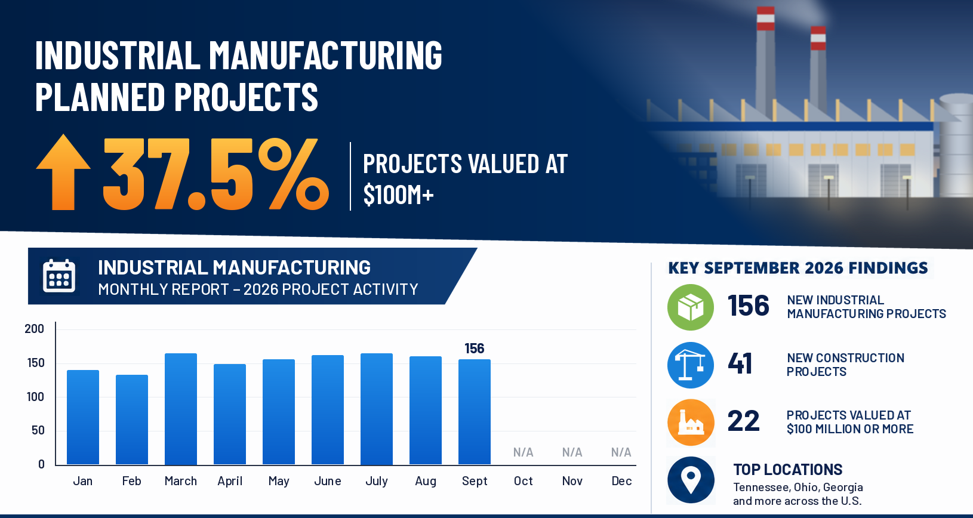
37.5% Growth in $100M New Industrial Planned Projects MoM for September 2026
-
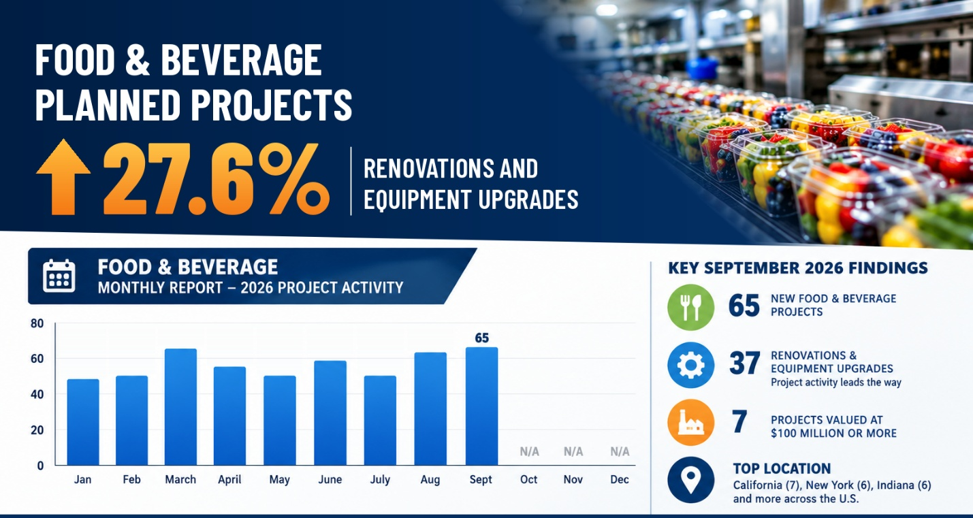
27.6% MoM Increase in Industrial Planned Projects for Renovations and Equipment Upgrades for September 2026
-
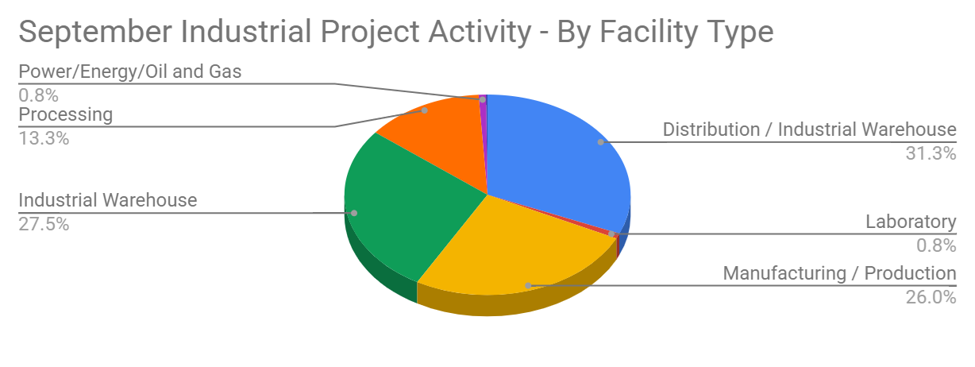
392 New Planned Industrial Projects Tracked in September 2026
-
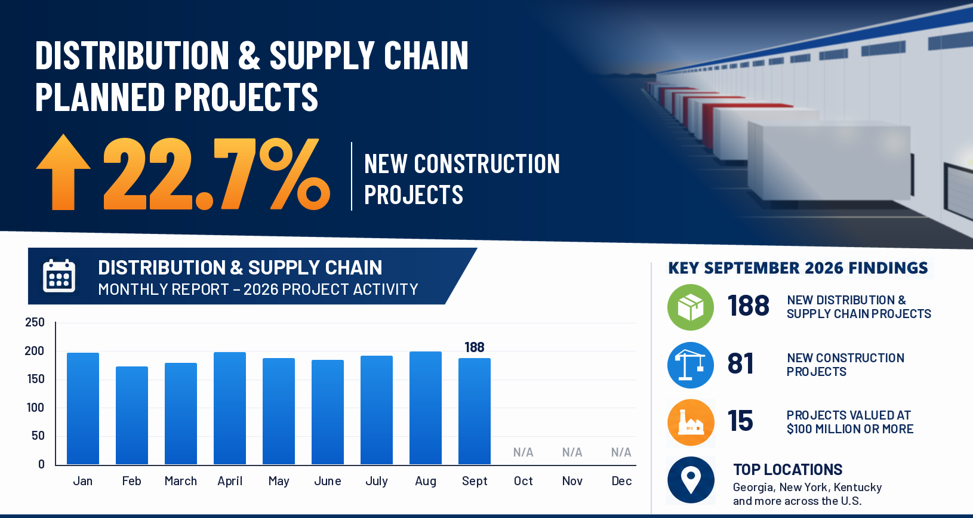
22.7% Increase in September 2026 for New Planned Distribution and Supply Chain Projects Over August 2026
