
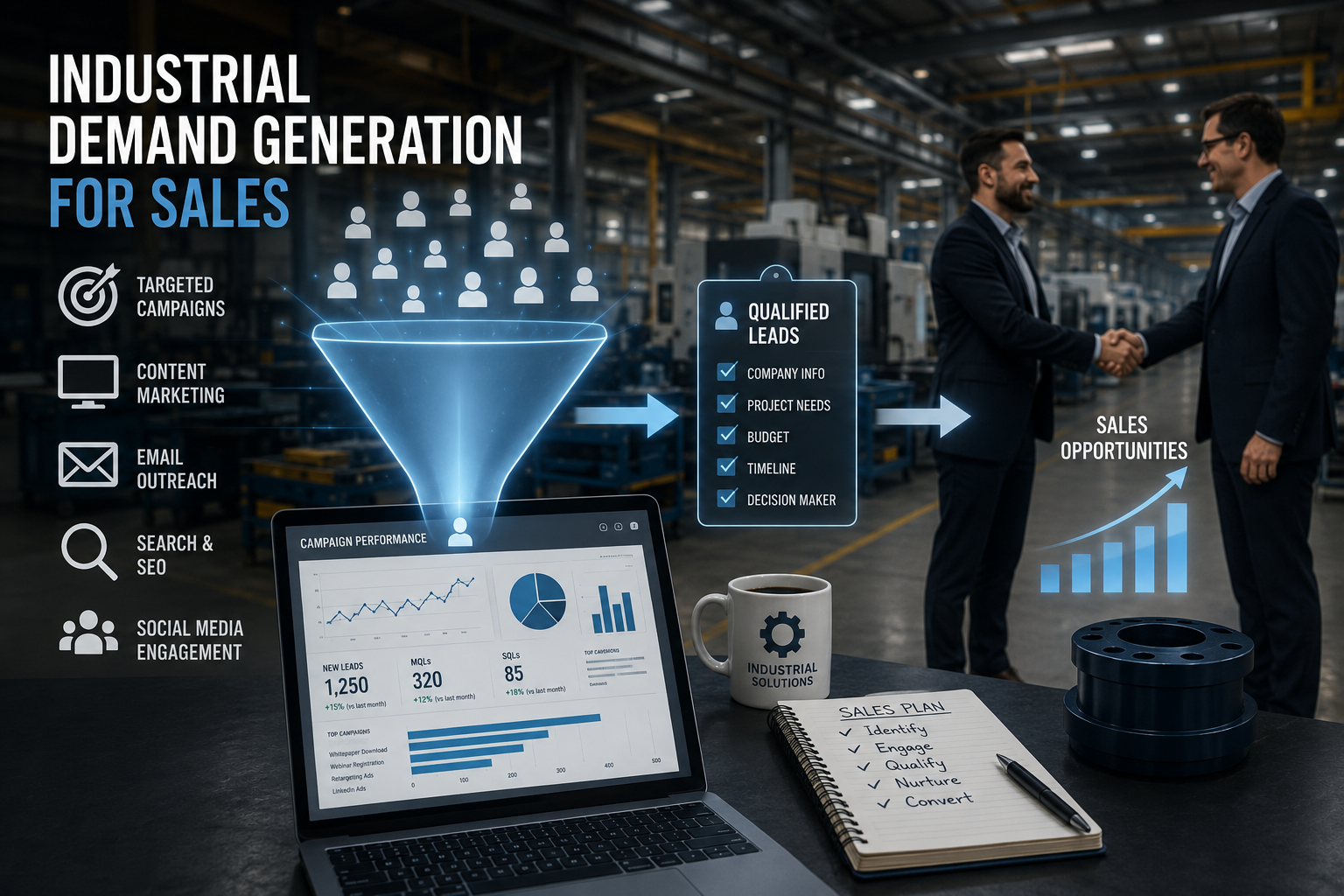
For most industrial manufacturers, sales don't fail because of a bad product or an uncompetitive price, but for the need of industrial demand generation. Too many good shops are sitting on credible capabilities and a fair price, yet still watching quotes go quiet because nobody was in front of the right buyer at the right moment. Industrial demand generation is built to close that gap. It is a deliberate system for identifying, engaging, and nurturing industrial buyers long before an RFQ ever lands on a desk, replacing hope and timing with a repeatable process for creating sales opportunity.
Why Industrial Buying Is Different
Unlike consumer or even standard B2B sales, industrial purchases usually involve a committee such as engineering, procurement, plant operations, and finance all weighing in before a decision gets made. These cycles can stretch for months. Did you know that buyers often begin researching long before they're ready to talk to a salesperson? A demand generation approach built for this environment has to account for that extended sales cycle, rather than assuming a single pitch will close the gap.
This is not a small distinction. Research into how B2B purchases actually get made backs up what many industrial sellers already experienced. A Harvard Business Review study on B2B sales found that the average business to business purchase involved 6.8 decision makers. Furthermore, coverage of more recent buying committee research notes that group size has continued to grow as digital transformation and risk aversion expand who gets a seat at the table. For an industrial manufacturer, that means a single well received sales call rarely closes a deal on its own. Engineering has to sign off on specifications, procurement has to validate pricing and terms, operations has to weigh in on lead time and reliability, and finance has to approve the spend. A demand generation program has to speak to all of them, not just the one person who happened to answer the phone.
Why Traditional Demand Generation Tactics Fall Short in Industrial Markets
Generic outbound and broadly based advertising rarely work for industrial buyers or those in the procurement department. Purchase decisions in manufacturing, food and beverage, and heavy equipment typically involve engineering, procurement, and finance stakeholders who only engage once a trigger event, such as a new facility, a regulatory change, an equipment failure, or a competitor's expansion, creates real need. Waiting for inbound interest alone leaves too much revenue on the table, because by the time a buyer fills out a contact form, they have often already done most of the work of narrowing their options.
Core Pillars of Industrial Demand Generation
Account based marketing for complex buying committees is the first pillar. Industrial sector sales cycles often involve multiple stakeholders across departments. Concentrating marketing and sales resources on a tiered list of target accounts rather than casting a wide net lets teams build the kind of coordinated, technical messaging that resonates with those working in the industrial sector, and lets one team member's conversation with engineering build on another's conversation with procurement.
Trigger based outreach tied to operational events is the second pillar. Instead of cold calling on a schedule, the strongest industrial demand gen programs watch for concrete triggers. For example, a new plant announcement, an equipment recall, a leadership change in operations, or a permit filing. Reaching out within days of one of these events, rather than weeks, dramatically improves response rates since the message arrives exactly when the buyer's priorities have shifted and budget conversations are already underway internally. Providers such as Sales Leads Inc build programs around exactly this kind of trigger based outreach, so a manufacturer's team is reaching out at the moment a prospect's need actually surfaces rather than on a generic schedule.
Intent data and predictive scoring make up the third pillar. Behavioral signals, like a prospect downloading a technical spec sheet or researching a competitor's product line, combined with firmographic data help industrial sellers prioritize accounts that are actually in market, rather than spreading effort evenly across a static list. This lets a small business development team focus its limited hours on the accounts most likely to convert.
Technical content and thought leadership form the fourth pillar. Industrial buyers do extensive self education before contacting a vendor. Case studies, whitepapers, and process specific content that speaks directly to a buyer's operational pain points build credibility long before a sales conversation begins, and often become the material an internal champion shares with the rest of their buying committee.
Trade shows remain the fifth pillar. Industry specific trade shows are crucial in industrial markets, offering concentrated face time with multiple stakeholders from target accounts in a single trip. The payoff, however, depends on pre-event outreach and a disciplined follow up rather than passive booth traffic. A booth alone rarely generates pipeline; the outreach before and after the show is what turns a floor conversation into a qualified opportunity.
The Common Thread: Timing Over Volume
Across every one of these approaches, the differentiator is how quickly and precisely a prospect responds to an actual signal. Industrial buyers move when a genuine operational need appears, and the vendors who show up first, with relevant context, win the conversation before competitors even know the opportunity exists. Volume for its own sake rarely moves the needle in a market where buying committees are large, cycles are long, and trust has to be earned with each stakeholder individually.
Building this kind of intelligence led system requires a process for capturing signals, routing them to the right rep, and acting within a tight window. It also requires the discipline to keep watching even when nothing seems to be happening, since a trigger event can surface at any time and the manufacturers who are already paying attention are the ones positioned to respond first. Teams that treat industrial demand generation as a coordinated engine consistently turn their target market into a qualified pipeline, rather than leaving growth to whichever inbound inquiry happens to come in next.
Ultimately, the manufacturers who win in this environment are not necessarily the ones with the loudest marketing or the biggest outbound team. They are the ones who have built a system for noticing the right signal at the right time, reaching the right stakeholder with the right message, and doing it consistently enough that pipeline becomes a predictable output of the process. Industrial SalesLeads works with industrial manufacturers to target the right person to set the appointment for the manufacturer. If your team is ready to turn market signals into qualified opportunities, to see how their Prospecting Services can help.
Want a predictable flow of qualified leads?
Let’s talk about how we can build it for you.
Latest Posts
-
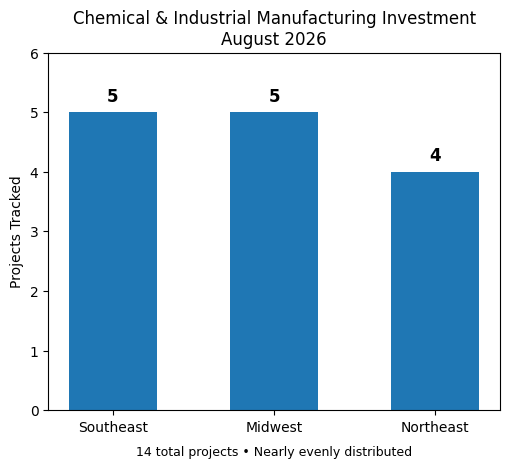
Chemical & Industrial Manufacturing Investment Spans Southeast, Midwest and Northeast in August 2026, with 14 Projects Tracked
-
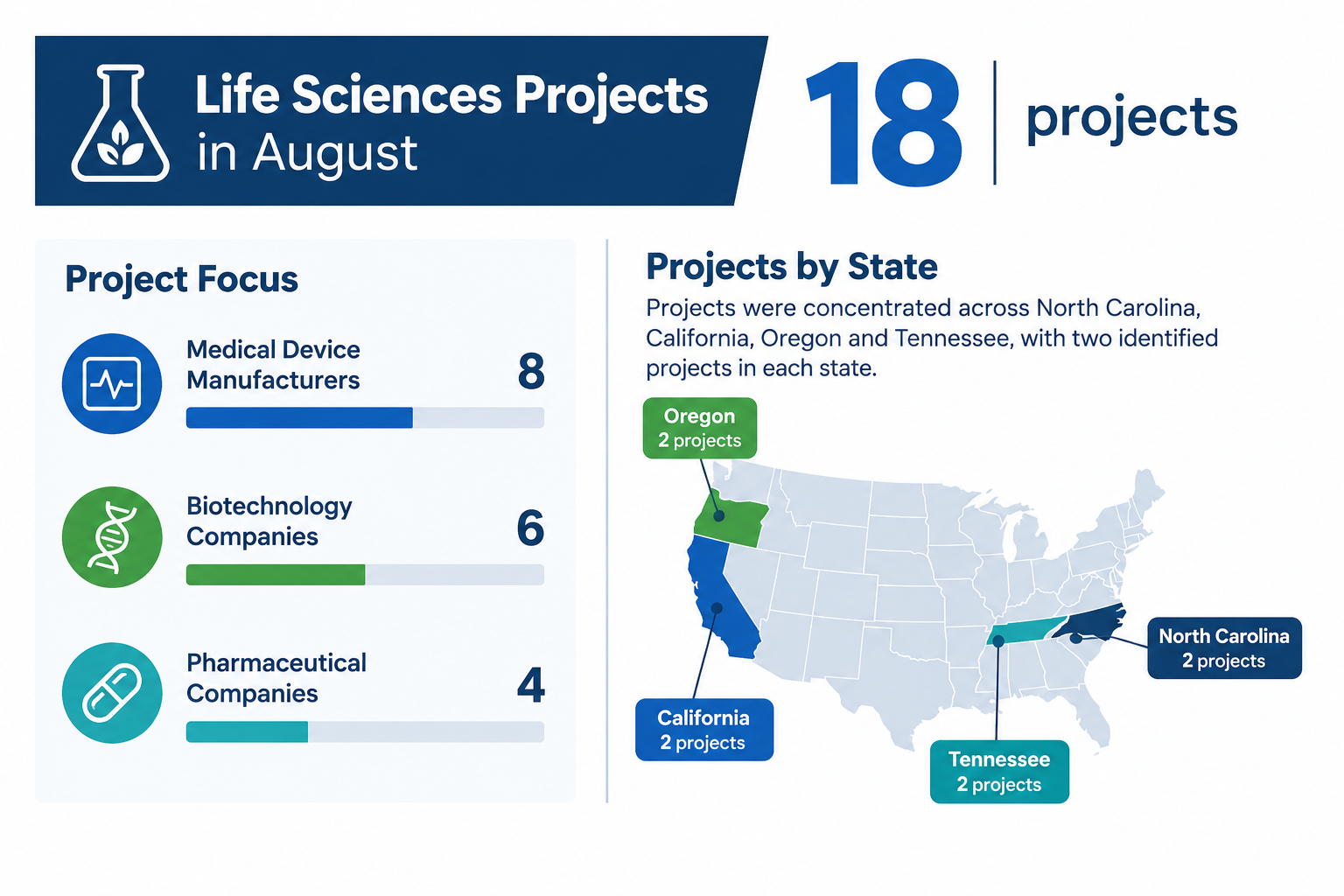
Life Sciences Manufacturing Investment Maintains Investment Momentum with 18 New Projects Identified in August 2026
-
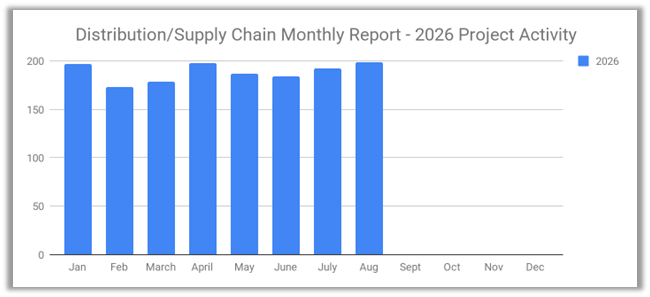
Distribution and Supply Chain Investment Hits 2026 Peak in August, Fueled by Three Months of Accelerating Growth
-
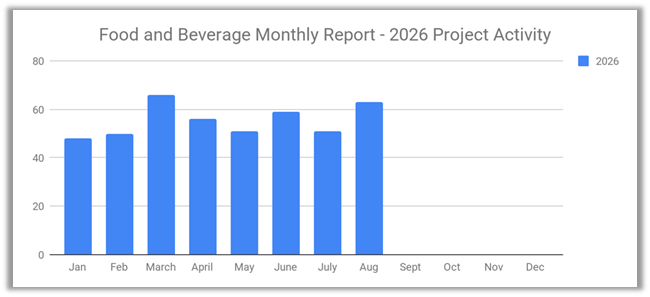
Food and Beverage Sector Surges to Second-Highest Month of 2026 with 63 New Planned Projects in August
