
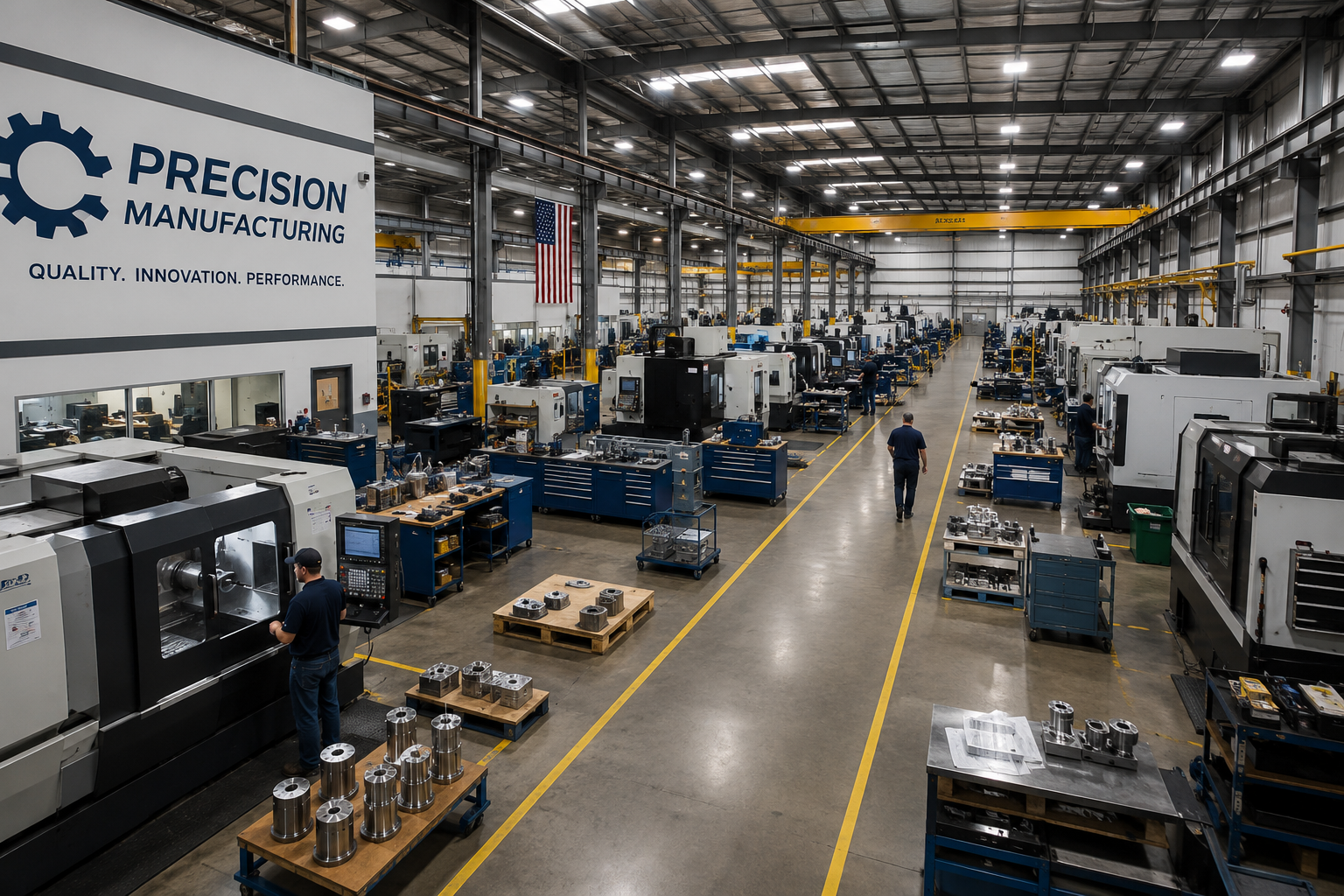
Manufacturers are turning to outsourced business development manufacturing partners to smooth out that unpredictability and keep the floor running at a steadier pace. Instead of riding the natural highs and lows of order flow, more shop owners and plant managers are asking whether a dedicated outside team can create a more even, more reliable stream of opportunities. For many manufacturers, the goal is simple: keep work flowing in a predictable way, without the feast or famine cycle that has defined much of the industry for decades.
This shift is not happening in a vacuum. Industrial buyers have changed how they shop, and manufacturers who still rely on the old playbook of waiting for a request for quote to land in their inbox are finding themselves increasingly out of step with how deals actually get made.
Available Capacity Needs a Steady Pipeline
Much of the appeal comes down to capacity. Rather than depending on inconsistent outreach or waiting passively for inbound inquiries, an outsourced business development manufacturing team can build and maintain a flow of conversations that steadily converts open capacity into booked jobs. Idle machine time is expensive no matter how it happens, whether it stems from a slow quarter, a canceled contract, or simply a gap between one production run and the next. A structured outreach function treats that idle capacity as something to be actively filled rather than something to be passively hoped away.
This matters because manufacturing overhead does not pause just because sales activity does. Rent, equipment financing, payroll, and utilities keep accruing whether or not the floor is busy. A steady pipeline of qualified conversations gives ownership something they rarely have with ad hoc sales efforts: a forecastable relationship between outreach volume and booked revenue.
Long Sales Cycles Demand Constant Visibility
Industrial buying decisions rarely move fast, and they never move through a single channel. That means winning new work is not just about quoting well once an RFQ lands, but about staying visible throughout the buyer's entire research and evaluation process. Outsourced business development functions as the mechanism that keeps a manufacturer's name in front of prospects during that long runway, so the relationship has already started by the time an opportunity appears.
This dynamic is well documented outside of manufacturing circles as well. Trade coverage of B2B purchasing behavior has found that industrial buyers now do most of their evaluation work before a salesperson ever hears from them. According to a report covered in the trade publication Industrial Distribution, more than 70 percent of B2B buyers fully define their needs before engaging with a sales representative, and almost half identify specific solutions before reaching out. That same coverage noted that only about a third of buyers feel sales reps exceed their expectations, and more than two thirds see little meaningful difference between competing vendors. For manufacturers, the implication is direct. If a buyer has already narrowed their shortlist before making contact, the manufacturers who are not visible during that research phase are being quietly filtered out, often without ever knowing an opportunity existed.
There is also a filtering stage that happens before any RFQ is ever sent. Buyers narrow down their supplier list based partly on what they can find and learn online, so a consistent outreach and visibility strategy helps a manufacturer get shortlisted before that need is even formalized. Waiting for the phone to ring, in other words, increasingly means waiting for a decision that has already been made without you.
What an Outsourced Team Adds That In-House Staff Can't
Internal sales and estimating teams are usually stretched thin, with outbound prospecting squeezed in around day to day production and delivery demands. Estimators are often pulled onto urgent quotes, project managers are handling active jobs, and whoever is left to prospect is doing so in the margins of a much fuller job description. An outsourced business development manufacturing function fills that gap by providing a consistent, ongoing outreach flow that does not stop when internal workloads spike, deliberate targeting of buyers whose needs match the manufacturer's actual capabilities rather than broad, unfocused outreach, long term follow up as prospects move through extended buying cycles that can stretch for months or longer, and continuity that does not stall when internal priorities shift, staffing changes, or production demands take over.
This approach is not meant to replace internal sales or estimating. Instead, it is meant to keep the pipeline moving in the background while internal teams stay focused on delivery, quality, and the daily realities of running a shop floor. The two functions are complementary rather than competing, with the outsourced team building relationships early and the internal team converting them once an opportunity is ready to quote. Providers such as Industrial SalesLeads build this kind of outreach around a manufacturer's specific capabilities, so the conversations being generated actually match the work the shop is equipped to run.
Structure, Not Timing, Drives Predictable Growth
The manufacturers that grow most reliably tend to treat business development the same way they treat production, as a repeatable process rather than a matter of luck or timing. Just as a well run shop does not leave quality to chance, it should not leave its pipeline to chance either. Building steady outreach, intentional targeting, and follow through across long sales cycles is what turns outsourced business development from a short term tactic into a durable growth system.
This distinction matters because many manufacturers have tried sales outreach before, often in short bursts tied to a slow quarter, only to abandon it once things picked back up. That stop and start pattern rarely builds the kind of trust and visibility that industrial buyers respond to. A structured, ongoing approach, by contrast, compounds over time. Relationships that start as a casual conversation months before a project is ready can turn into a shortlisted vendor relationship once the buyer is ready to formalize their need, echoing the same pattern seen in the broader B2B research showing that buyers make up their minds well before first contact.
For manufacturers weighing whether this model fits, the core questions are practical. Is there capacity sitting idle? Are buyers taking longer to commit? Would steady, targeted outreach support the quoting pipeline? Is the internal team too stretched to prospect consistently, even though everyone agrees it needs to happen? For many manufacturers, the answer is pointing toward outsourced business development manufacturing as a long term fixture of how they grow, not a stopgap measure but a structural part of how predictable, sustainable growth gets built on the shop floor. Industrial SalesLeads works with manufacturers to build exactly this kind of steady, targeted pipeline, handling the outreach and follow up so internal teams can stay focused on delivery. If open capacity and long buying cycles sound familiar, visit Prospecting Services to see how their prospecting services can keep your pipeline full.
Want a predictable flow of qualified leads?
Let’s talk about how we can build it for you.
Latest Posts
-
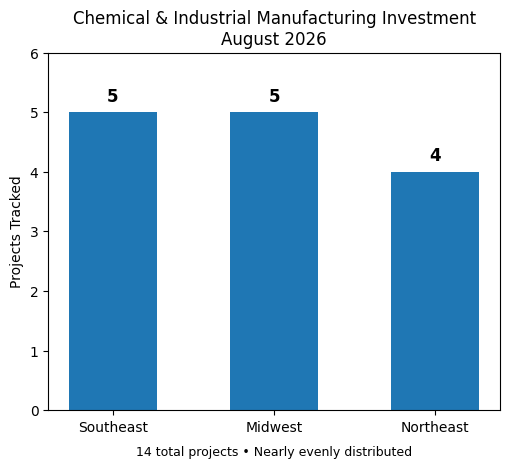
Chemical & Industrial Manufacturing Investment Spans Southeast, Midwest and Northeast in August 2026, with 14 Projects Tracked
-
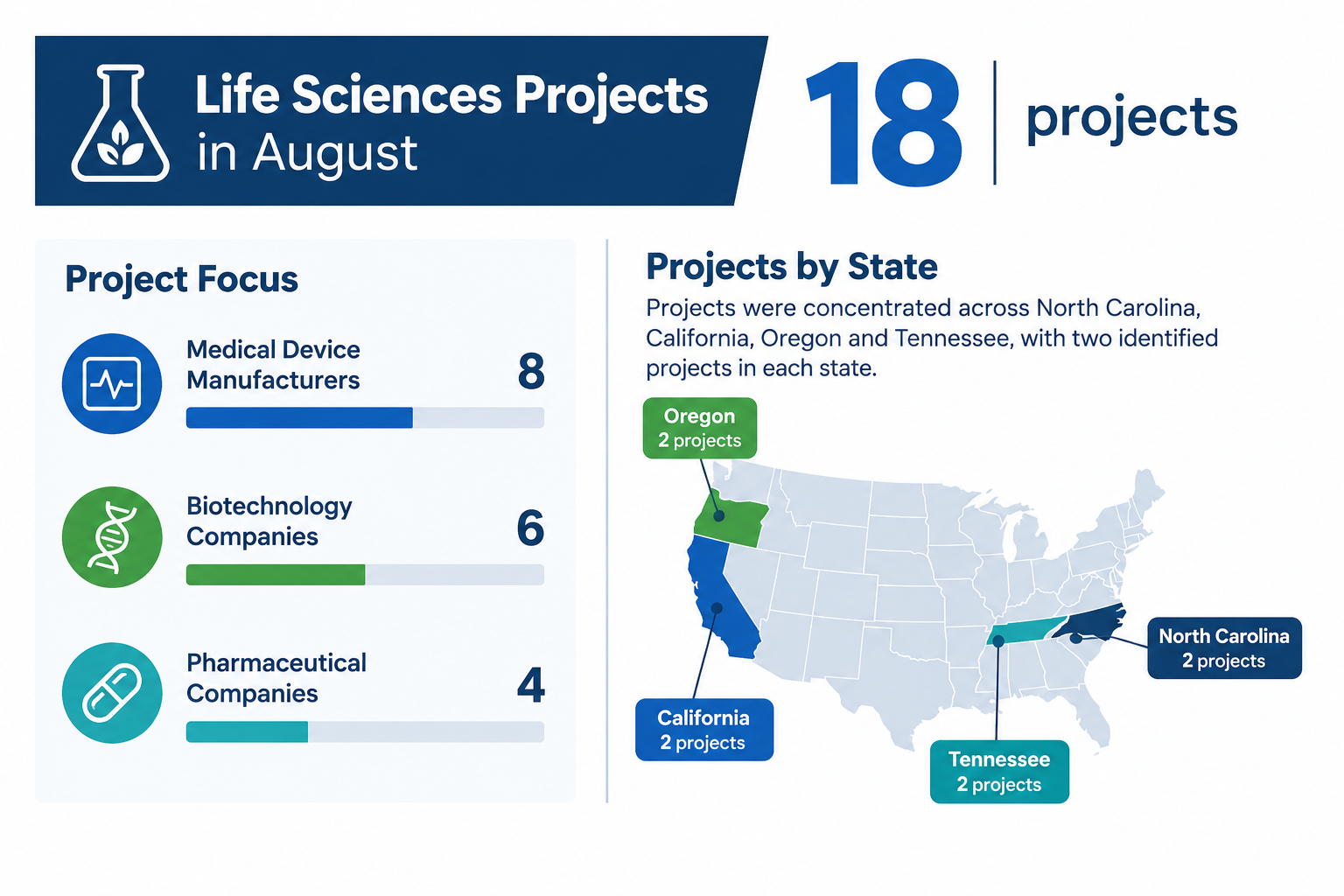
Life Sciences Manufacturing Investment Maintains Investment Momentum with 18 New Projects Identified in August 2026
-
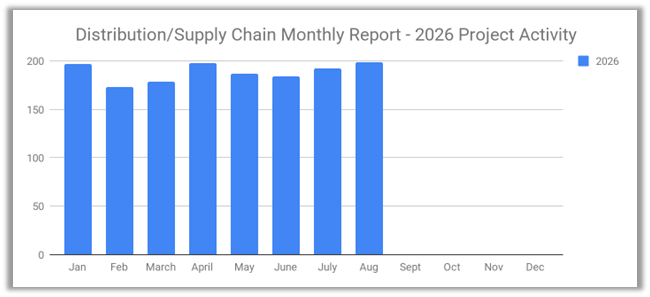
Distribution and Supply Chain Investment Hits 2026 Peak in August, Fueled by Three Months of Accelerating Growth
-
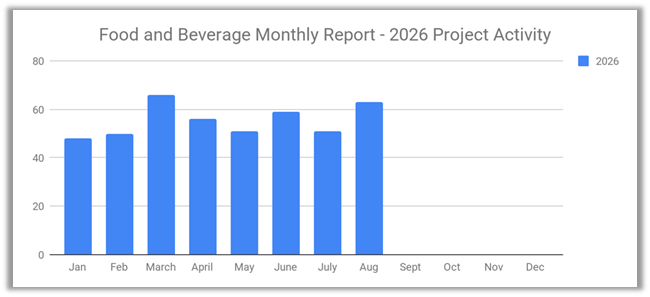
Food and Beverage Sector Surges to Second-Highest Month of 2026 with 63 New Planned Projects in August
