

Industrial sales meetings should do more than review numbers, repeat activity totals, and ask every salesperson whether a deal is “still looking good.”
A productive meeting should help the team identify stalled opportunities, coordinate prospecting, share market intelligence, improve decision-making, and leave with clear actions.
The best industrial sales meetings are focused, useful, and connected to active sales priorities. They give the team a place to solve problems, share information, recognize progress, and improve execution.
Part 1 focuses on immediate productivity, pipeline movement, strategy, and accountability. Part 2 covers coaching, role-play, and long-term skill development.
Glossary: Industrial sales meeting: An industrial sales meeting is a structured team session used to review pipeline activity, coordinate accounts, share market intelligence, solve sales problems, and assign next actions.
What Makes an Industrial Sales Meeting Productive?
A productive meeting should create decisions and actions, not simply consume calendar space.
Useful industrial sales meetings typically include:
- a clear agenda
- relevant pipeline information
- specific opportunities that need help
- market or competitor updates
- lead-generation priorities
- defined next steps
- named owners
- target completion dates
The meeting should not become a complete reading of the CRM. Routine updates can often be reviewed before the meeting so the group can spend its time on discussion, decisions, and problem-solving.
FAQ: What should an industrial sales meeting accomplish?
An industrial sales meeting should help the team evaluate pipeline health, solve stalled opportunities, coordinate prospecting, share market intelligence, improve execution, and assign clear next actions.
1. Begin With Relevant Wins
Starting with a recent win can create energy and reveal useful sales practices.
Ask one or two team members to briefly explain:
- what the customer needed
- how the opportunity was identified
- which stakeholders were involved
- what nearly delayed or lost the deal
- which message or action helped move it forward
- what the team can repeat
The purpose is not applause alone. The purpose is to extract a useful lesson from the result.
A strong win review may reveal that a project signal created good timing, a technical case study reduced uncertainty, or an introduction to procurement prevented a late-stage delay.
Glossary: Win review: A win review examines why a sales opportunity was successful so the team can identify repeatable practices, messages, qualification signals, and account-development methods.
2. Review Pipeline Health
Pipeline review should focus on quality and movement, not merely total dollar value.
Useful pipeline questions include:
- Which opportunities advanced since the last meeting?
- Which opportunities have stalled?
- Which deals lack a clear next step?
- Which close dates are no longer realistic?
- Which opportunities are missing stakeholders?
- Which proposals are waiting for feedback?
- Which deals should be disqualified?
- Where does the salesperson need help?
Each active opportunity should have:
- a current stage
- a credible value
- a known next action
- an owner
- a target date
- documented risks
A large pipeline filled with vague, inactive, or poorly qualified opportunities can create false confidence.
Glossary: Pipeline health: Pipeline health describes the quality, activity, stage accuracy, timing, risk, and conversion potential of the opportunities in a sales pipeline.
FAQ: How should a team review pipeline health?
The team should examine opportunity movement, stalled deals, missing stakeholders, unrealistic close dates, unclear next steps, qualification quality, and whether each opportunity still deserves time and resources.
3. Unblock Priority Opportunities
Not every deal needs group discussion. Choose a small number of important opportunities where team input can make a difference.
For each one, ask:
- What is preventing progress?
- What does the buyer still need?
- Which stakeholder is missing?
- Is the project funded?
- Is the next milestone known?
- Does the proposal address the real problem?
- Would technical, executive, or customer-reference support help?
- What specific action should happen next?
The discussion should end with an action, not a cloud of opinions.
Examples include:
- schedule a proposal review
- request access to engineering
- confirm the budget process
- provide a relevant case study
- revise the scope
- introduce a technical specialist
- close the opportunity as inactive
Glossary: Deal coaching: Deal coaching is the focused review of a specific sales opportunity to identify obstacles, missing information, risks, stakeholders, and next actions.
4. Share Market Intelligence
Industrial sales teams benefit from current information about markets, customers, projects, and investment activity.
Market-intelligence topics may include:
- new facility construction
- plant expansions
- relocations
- equipment modernization
- production-line changes
- warehouse investments
- leadership changes
- major hiring activity
- capital-investment announcements
- regulatory or supply-chain developments
The meeting should connect the information to action.
Ask:
- Which accounts may be affected?
- Which products or services may be relevant?
- Which contacts should be approached?
- What research is still needed?
- Who owns the follow-up?
Industrial SalesLeads’ Industrial Market Intelligence can help teams identify companies planning construction, expansions, relocations, modernization, and equipment investments.
Glossary: Industrial market intelligence: Industrial market intelligence is information about industrial companies, facilities, projects, investments, contacts, expansions, relocations, and business activity that may create sales opportunities.
5. Review Competitor Activity
Competitor discussion should be based on useful information, not rumor or theatrical alarm.
Review changes such as:
- new products or services
- pricing changes
- new locations
- new partnerships
- lead-time claims
- case studies
- website messaging
- new hires
- customer wins
- market positioning
Then ask:
- Does this change how we position our offering?
- What buyer concern might this create?
- What proof supports our response?
- Where are we stronger?
- Where do we need to improve?
The goal is not to produce a list of counterattacks. It is to help the team communicate differences accurately and credibly.
Glossary: Competitive positioning: Competitive positioning explains how a company’s offering differs from alternatives in ways that matter to a specific buyer.
6. Review Customer Feedback Trends
Customer feedback can reveal strengths, recurring concerns, and opportunities for improvement.
Useful sources include:
- customer surveys
- sales-call notes
- support conversations
- implementation feedback
- renewal discussions
- lost-deal notes
- online reviews
- account-management conversations
Discuss:
- What do customers consistently praise?
- What confuses buyers?
- Which objections are increasing?
- Which service problems affect sales?
- Which claims need stronger proof?
- What content would help answer recurring questions?
This feedback can improve sales messaging, proposals, service delivery, and content planning.
Glossary: Voice of the customer: Voice of the customer is the collection of buyer and customer needs, language, concerns, expectations, and feedback used to improve sales, marketing, products, and services.
7. Set Lead-Generation Priorities
Lead generation should be discussed as a targeted business process, not as a request for everyone to “make more calls.”
A productive lead-generation discussion should identify:
- target industries
- priority territories
- ideal company size
- facility types
- buyer roles
- project signals
- likely operational needs
- outreach messages
- supporting content
- follow-up cadence
Industrial Project Reports can help teams focus on companies with identified construction, expansion, relocation, modernization, and equipment-investment activity.
This gives salespeople more context than a generic contact list and helps them prioritize accounts with a clearer reason for outreach.
Glossary: Lead-generation priority: A lead-generation priority is a defined target market, account group, buyer role, project type, or sales signal selected for focused prospecting activity.
FAQ: How can sales meetings improve industrial lead generation?
Sales meetings can improve lead generation by defining priority industries, accounts, buyer roles, project signals, outreach messages, supporting content, follow-up responsibilities, and measurable activity goals.
8. Build Better Prospecting Messages
The team can use meeting time to improve the language used in calls, emails, and LinkedIn outreach.
Review whether the message explains:
- why the company is being contacted
- what business issue may be relevant
- what outcome the seller can help support
- why the outreach is timely
- what next step is being requested
Weak outreach often focuses too heavily on the seller:
“We are a leading provider with many years of experience.”
Stronger outreach connects to the buyer:
“We work with manufacturers planning facility expansions and equipment upgrades, particularly where production capacity and installation timing are concerns.”
The team should avoid inventing personalization or claiming knowledge it does not have.
Glossary: Prospecting message: A prospecting message is a concise sales communication that explains why the seller is contacting the account, what issue may be relevant, and what next step is requested.
9. Develop Better Sales Questions
Sales questions should help uncover business needs, technical requirements, project timing, stakeholders, and decision criteria.
Useful categories include:
- current operations
- business problems
- technical requirements
- project stage
- budget
- timeline
- stakeholders
- procurement
- risk
- success criteria
Example questions include:
- What is driving the project now?
- Which facilities or production lines are affected?
- What happens if the issue remains unresolved?
- Who will evaluate the technical solution?
- Has a budget been approved?
- What implementation date is the team targeting?
- What concerns could delay approval?
- How will success be measured?
After using new questions, salespeople should report which ones created useful conversations and which felt awkward, vague, or premature.
Glossary: Discovery question: A discovery question is a question used to understand the buyer’s problems, requirements, priorities, stakeholders, timing, budget, risks, and decision process.
10. Improve Closing and Next-Step Discipline
Closing is not limited to asking for a purchase order.
Industrial salespeople need to secure smaller commitments throughout the sales cycle.
Examples include:
- a second meeting
- a site assessment
- technical specifications
- access to another stakeholder
- a proposal review
- a budget discussion
- a demonstration
- a target decision date
- a procurement introduction
Every active sales conversation should end with a defined next step.
A good next step includes:
- the action
- the owner
- the date
- the expected outcome
“I’ll check back later” is not a next step. It is a soft landing in the fog.
Glossary: Next-step discipline: Next-step discipline is the practice of ending each meaningful sales interaction with a specific action, owner, deadline, and expected outcome.
FAQ: How can industrial sales teams improve closing discipline?
Teams can improve closing discipline by practicing clear summaries, confirming unresolved questions, requesting a specific next action, assigning responsibility, and agreeing on a date.
11. Review Sales Efficiency
Sales productivity is not simply the number of calls or emails completed.
Review where sales time is being spent and whether that activity supports qualified opportunities.
Questions may include:
- How much time is spent researching poor-fit accounts?
- Which administrative tasks create delays?
- Are salespeople entering the same data more than once?
- Are unqualified leads receiving too much attention?
- Which reports are useful?
- Which meetings could be shorter?
- Where could automation help?
- Which tasks should remain human-led?
The purpose is not to eliminate every non-selling activity. It is to reduce avoidable work and protect time for research, discovery, account development, proposals, and customer conversations.
Glossary: Sales efficiency: Sales efficiency describes how effectively a team converts time, labor, technology, data, and spending into qualified opportunities and revenue.
12. Assign Clear Actions Before the Meeting Ends
A productive sales meeting should finish with a short action list.
Each action should include:
- the task
- the owner
- the deadline
- the related account or objective
- the expected result
Examples include:
- confirm budget status with the plant manager by Friday
- identify the procurement contact for Account A
- prepare a case study for the proposal review
- research five expansion projects in the target region
- close three inactive opportunities in the CRM
- revise the prospecting message before the next campaign
Review those actions briefly at the beginning of the next meeting.
Glossary: Sales accountability: Sales accountability is the practice of assigning clear responsibilities, deadlines, and expected outcomes for sales activity and opportunity management.
A Practical Industrial Sales Meeting Agenda
A focused 45-minute meeting might use this structure:
- Five minutes: Review one or two useful wins.
- Ten minutes: Examine pipeline health and stage accuracy.
- Ten minutes: Unblock two or three priority opportunities.
- Five minutes: Share market, project, or competitor intelligence.
- Five minutes: Set lead-generation priorities.
- Five minutes: Review one sales-execution topic.
- Five minutes: Assign actions, owners, and deadlines.
Longer meetings may be appropriate for quarterly planning, but routine weekly meetings should remain disciplined.
What Should Be Handled Outside the Meeting?
Some information does not need group discussion.
Consider handling these items asynchronously:
- routine activity totals
- complete CRM record reviews
- administrative announcements
- individual performance discussions
- minor account updates
- reports that require no decision
Group meeting time should be reserved for issues that benefit from coordination, decisions, shared intelligence, or problem-solving.
How to Measure Sales Meeting Productivity
A meeting is useful when it improves execution.
Possible indicators include:
- percentage of opportunities with documented next steps
- reduction in stalled opportunities
- improved pipeline-stage accuracy
- more realistic close dates
- faster completion of assigned actions
- better lead follow-up
- higher meeting-to-opportunity conversion
- improved forecast accuracy
- sales-team participation
The meeting should be adjusted when it repeatedly produces discussion but little action.
FAQ: How can managers tell whether a sales meeting is productive?
Managers can evaluate whether meetings produce clearer next steps, fewer stalled deals, better pipeline accuracy, completed action items, stronger follow-up, and improved coordination.
How Industrial SalesLeads Can Support Sales Productivity
Industrial sales teams are more productive when they have better information about accounts, contacts, facilities, and project activity.
Through Industrial Market Intelligence, Industrial SalesLeads helps identify companies planning construction, expansion, relocation, modernization, and equipment investments.
Those project signals can support:
- meeting agenda topics
- account prioritization
- prospecting plans
- market-intelligence discussions
- buyer research
- pipeline development
Through Prospecting Services, Industrial SalesLeads can also help define target accounts, verify contacts, conduct outreach, qualify interest, and schedule appointments.
This allows internal sales teams to spend more time on discovery, technical conversations, proposal development, stakeholder coordination, and closing.
Contact Industrial SalesLeads to discuss how industrial project intelligence and prospecting support can help improve sales-team productivity.
Continue With Part 2
Productivity is only one function of a strong industrial sales meeting.
For coaching exercises covering role-play, discovery, objection handling, negotiation, CRM discipline, account planning, and long-term development, read Advanced Industrial Sales Meeting Topics for Skill Development: Part 2.
Final Thoughts
Industrial sales meetings should help the team make better decisions and advance real work.
Pipeline reviews, deal coaching, market intelligence, competitor analysis, lead-generation planning, buyer-question development, and closing discipline can all support immediate productivity.
The key is structure. Use a clear agenda, focus on the opportunities that need attention, assign actions, and hold the team accountable for what happens next.
A productive sales meeting should end with fewer mysteries than it began with.
Want a predictable flow of qualified leads?
Let’s talk about how we can build it for you.
Latest Posts
-
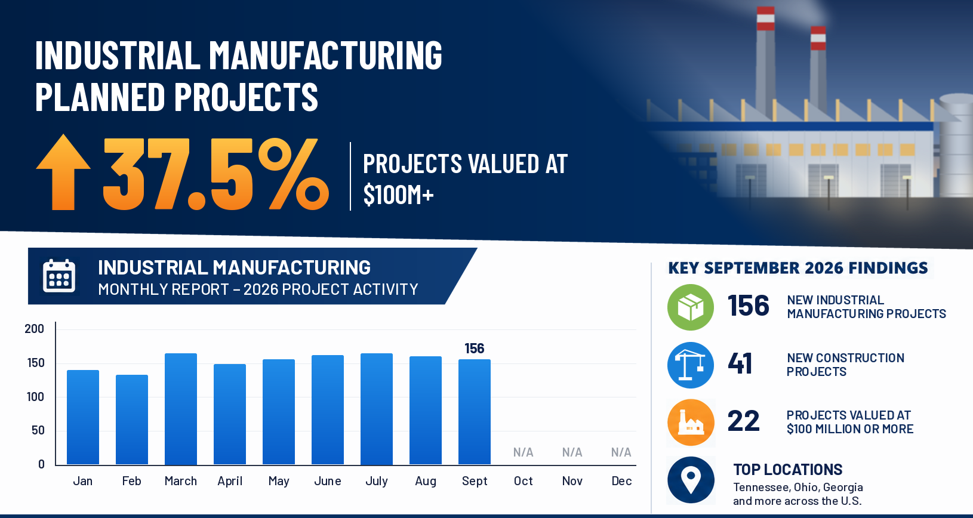
37.5% Growth in $100M New Industrial Planned Projects MoM for September 2026
-
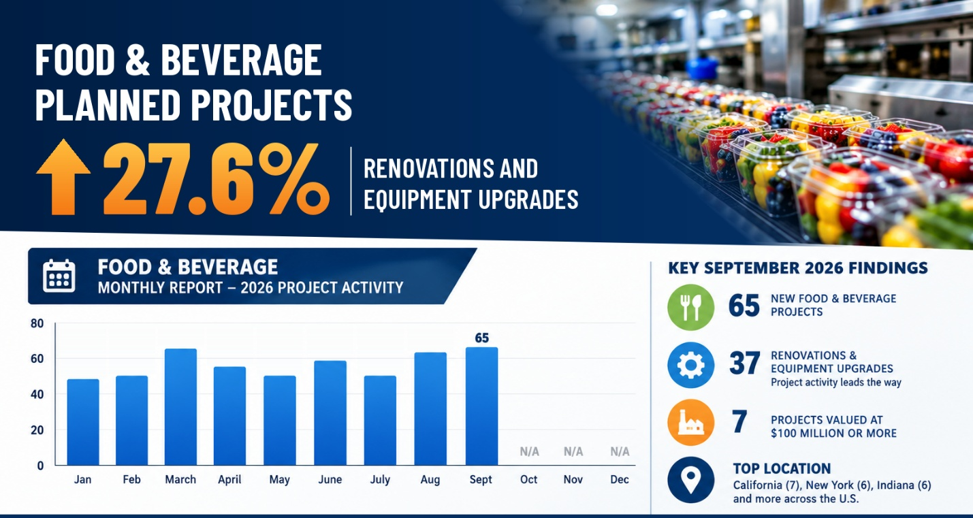
27.6% MoM Increase in Industrial Planned Projects for Renovations and Equipment Upgrades for September 2026
-
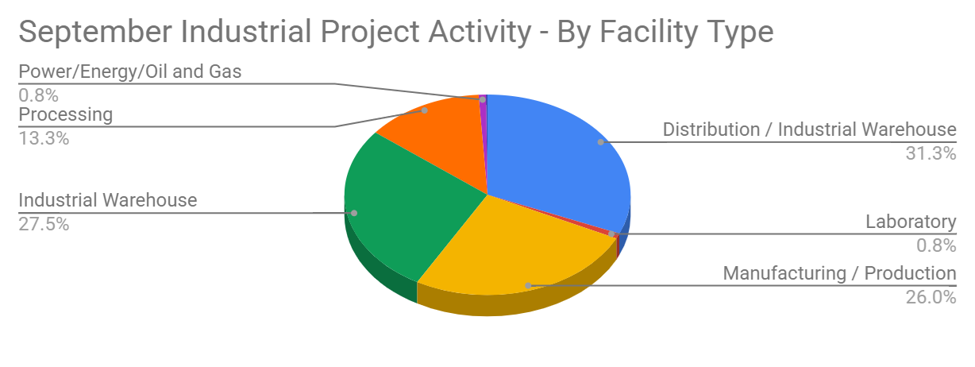
392 New Planned Industrial Projects Tracked in September 2026
-
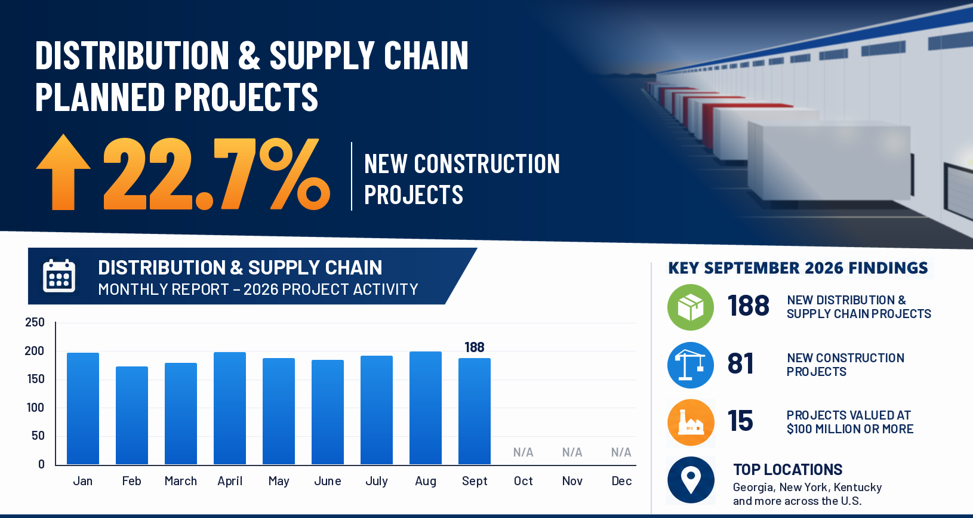
22.7% Increase in September 2026 for New Planned Distribution and Supply Chain Projects Over August 2026
