

The path from an industrial prospect to a paying B2B customer is rarely a straight line.
Some opportunities move quickly because the buyer has an urgent operational problem, approved funding, clear specifications, and access to the right decision-makers. Others take months because the project is still being researched, capital approval is incomplete, technical requirements are changing, or multiple stakeholders must agree before a purchase can move forward.
There is no universal industrial sales-cycle length. The practical answer is that the timeline depends on the size, complexity, timing, and internal approval requirements of the opportunity.
A small replacement order may close quickly. A facility expansion, equipment modernization project, construction contract, automation system, or multi-location service agreement may require a much longer process.
The sales team’s job is not merely to push every prospect toward an immediate close. It is to understand where the buyer is in the decision process, determine whether the opportunity is real, and help the account advance toward a clear next step.
Glossary: Industrial B2B sales cycle: The industrial B2B sales cycle is the period from initial prospect identification or engagement through qualification, evaluation, approval, negotiation, purchase, and customer onboarding.
There Is No Single Average Industrial Sales Cycle
Industrial sales cycles vary too widely for one average number to describe every business accurately.
The timeline may range from:
- a few days for an urgent replacement item
- several weeks for a familiar product or recurring service
- several months for customized equipment or technical services
- a year or longer for major construction, facility, infrastructure, or capital-investment projects
Instead of relying on a broad industry average, companies should measure their own sales-cycle length by:
- product or service category
- deal size
- industry
- project type
- new versus existing customer
- lead source
- territory
- purchase urgency
- number of stakeholders
This creates a more useful benchmark than comparing a small maintenance contract with a major plant expansion.
FAQ: How long does an industrial B2B sales cycle usually take?
An industrial B2B sales cycle may take days, weeks, months, or longer. The timeline depends on deal size, technical complexity, project timing, funding, stakeholder involvement, procurement requirements, and urgency.
What Starts the Industrial Sales Clock?
Sales-cycle measurement can become confusing because companies do not always agree on when the process begins.
Possible starting points include:
- the first identified account
- the first marketing engagement
- the first outbound conversation
- the first qualified meeting
- the creation of a CRM opportunity
- the receipt of a request for quotation
For useful reporting, sales and marketing should define one consistent starting point.
A common approach is to begin measuring the formal sales cycle once the opportunity meets agreed qualification criteria. Prospecting time before qualification can be measured separately.
Glossary: Sales-cycle length: Sales-cycle length is the amount of time required for an opportunity to move from a defined starting point, such as qualification, to a completed purchase or closed outcome.
1. Purchase Complexity and Deal Size
The more complex and expensive the purchase, the longer the sales cycle is likely to be.
Industrial buyers may need to evaluate:
- technical specifications
- production requirements
- facility compatibility
- installation needs
- safety requirements
- regulatory compliance
- maintenance requirements
- operating costs
- expected return on investment
- vendor support
- implementation risk
A standardized product with clear pricing may require little evaluation. A customized system may involve site visits, engineering discussions, demonstrations, testing, design work, and multiple proposal revisions.
The buyer is not necessarily delaying. The organization may be working through legitimate technical and financial questions.
Glossary: Complex B2B sale: A complex B2B sale involves significant financial, technical, operational, or organizational considerations and usually requires input from multiple stakeholders.
2. Number of Stakeholders
Industrial purchases are rarely approved by one person.
The buying committee may include:
- plant managers
- engineers
- operations leaders
- maintenance managers
- procurement professionals
- safety personnel
- information technology teams
- finance executives
- legal teams
- corporate leadership
Each stakeholder may evaluate the purchase differently.
An engineer may focus on technical performance. Procurement may focus on terms and vendor qualification. Finance may examine return on investment. Operations may care about downtime and implementation. Safety personnel may review risk and compliance.
The sales process slows when an important stakeholder is identified late or when the seller addresses only one department’s concerns.
Glossary: Buying committee: A buying committee is the group of people who influence, evaluate, approve, purchase, implement, or use a B2B product or service.
FAQ: Why do multiple stakeholders make industrial sales cycles longer?
Multiple stakeholders extend the process because technical, operational, financial, procurement, safety, and executive concerns may all need to be addressed before approval.
3. Project Stage and Timing
A prospect may match the ideal customer profile and still be far from a purchasing decision.
The company may be:
- researching possible solutions
- developing a project concept
- building a preliminary budget
- selecting a site
- waiting for internal approval
- working with engineering or design firms
- preparing bid documents
- waiting for permits
- planning a future shutdown
- coordinating construction phases
Understanding the project stage prevents sales teams from treating every lead as though it should close immediately.
Early-stage opportunities may require education and nurturing. Later-stage opportunities may require technical validation, pricing, references, or procurement support.
Glossary: Project stage: Project stage describes where an industrial investment stands in its development, such as research, planning, budgeting, design, approval, bidding, construction, installation, or implementation.
4. Budget Availability and Capital Approval
Industrial purchases often depend on formal budgets and capital-expenditure approval.
A prospect may have a clear need but lack:
- an approved budget
- a final project scope
- executive authorization
- financial justification
- funding for the current fiscal period
- agreement on implementation timing
Sales professionals should identify whether the project is funded, budgeted, proposed, or still conceptual.
A project without current funding may still become valuable later, but it should not be forecast as though approval is imminent.
Glossary: Capital expenditure: A capital expenditure, or CapEx, is money used to acquire, improve, expand, or replace long-term assets such as facilities, machinery, systems, or equipment.
5. Procurement and Vendor Approval
Even after the technical buyer prefers a solution, procurement requirements can add time.
The seller may need to complete:
- vendor registration
- insurance documentation
- safety qualification
- financial review
- cybersecurity review
- legal review
- contract negotiation
- payment-term approval
- competitive bidding
- reference checks
Sales teams should identify these requirements early instead of discovering them after verbal approval.
Glossary: Vendor qualification: Vendor qualification is the process a buyer uses to confirm that a supplier meets its financial, legal, technical, insurance, safety, security, and operational requirements.
6. Technical Validation and Customization
Customized industrial solutions often require a longer evaluation period.
The buyer may request:
- site assessments
- technical drawings
- samples
- demonstrations
- proof-of-concept testing
- engineering calculations
- compatibility reviews
- production trials
- performance guarantees
- implementation plans
The sales team can reduce delays by collecting technical requirements early, documenting assumptions, and involving appropriate experts before the proposal stage.
7. Urgency and the Cost of Inaction
Urgency can dramatically shorten a sales cycle.
A company experiencing equipment failure, production constraints, safety concerns, compliance pressure, or severe downtime may act much faster than a company exploring a future improvement.
Sales discovery should identify:
- what happens if the buyer does nothing
- how much the current problem costs
- whether production is affected
- whether safety or compliance is involved
- whether a deadline exists
- whether another project depends on the purchase
Urgency should be discovered honestly, not manufactured through artificial pressure.
Glossary: Cost of inaction: Cost of inaction is the financial, operational, safety, compliance, productivity, or strategic consequence of leaving a business problem unresolved.
8. New Customer Versus Existing Customer
Existing customers often move faster because trust, vendor approval, payment terms, contacts, and product familiarity are already established.
New customers may need more time to evaluate:
- company credibility
- technical capabilities
- references
- service coverage
- financial stability
- quality standards
- implementation support
This is one reason retention and account development are so valuable in industrial sales. The first transaction may be the hardest. Future opportunities can move faster once the relationship is established.
9. Economic and Market Conditions
External conditions can change buying timelines.
Projects may slow because of:
- economic uncertainty
- interest rates
- material costs
- supply-chain constraints
- labor shortages
- regulatory changes
- market demand
- corporate restructuring
- changes in capital priorities
However, broad economic conditions do not affect every opportunity in the same way. A company facing strong demand or an urgent capacity problem may continue investing even during uncertainty.
Sales teams should evaluate the specific account and project rather than assuming that one market headline explains every delay.
Typical Stages of an Industrial Sales Cycle
Every organization uses different terminology, but a practical industrial sales process may include:
- Prospecting: Identifying potential accounts and contacts.
- Initial engagement: Establishing communication and confirming relevance.
- Qualification: Evaluating fit, need, authority, timing, and opportunity potential.
- Discovery: Understanding operational, technical, financial, and project requirements.
- Solution development: Preparing a recommendation, design, scope, or technical response.
- Proposal: Presenting pricing, terms, deliverables, and implementation details.
- Evaluation: Supporting stakeholder review, comparisons, questions, and revisions.
- Negotiation and procurement: Finalizing commercial terms and vendor requirements.
- Close and onboarding: Completing the purchase and beginning delivery or implementation.
Measuring the time spent in each stage helps reveal where opportunities stall.
Glossary: Pipeline stage: A pipeline stage is a defined step in the sales process used to show an opportunity’s current status and required next action.
How to Qualify the Timeline
Salespeople should ask questions that reveal whether an opportunity is active, future, uncertain, or unlikely.
Useful questions include:
- What problem is the company trying to solve?
- Why is the issue important now?
- What happens if the project is delayed?
- What stage is the project in?
- Has a budget been approved?
- Which stakeholders are involved?
- What technical requirements are known?
- What internal approvals are required?
- Is there a target implementation date?
- What is the next decision milestone?
The objective is not to interrogate the buyer. It is to understand the process well enough to provide useful support and forecast realistically.
FAQ: How can a salesperson estimate when an industrial prospect will buy?
A salesperson should evaluate the project stage, urgency, approved budget, technical requirements, stakeholder access, procurement steps, target implementation date, and next decision milestone.
How to Keep Long Industrial Sales Cycles Moving
Industrial sales teams cannot eliminate every delay, but they can reduce avoidable friction.
Helpful practices include:
- qualifying opportunities early
- identifying all relevant stakeholders
- agreeing on a specific next step
- documenting technical requirements
- providing useful case studies and references
- sharing implementation information
- supporting financial justification
- tracking project milestones
- following up consistently
- keeping CRM records current
Every active opportunity should have a clear next action, owner, and target date.
“Follow up sometime next month” is not a sales plan. It is a polite way of putting an opportunity into suspended animation.
Lead Nurturing for Prospects That Are Not Ready
Some industrial prospects are qualified but not yet ready to purchase.
Lead nurturing can keep the company useful and visible during:
- budget planning
- project design
- capital approval
- site selection
- permit review
- internal research
- future expansion planning
Useful nurturing content may include:
- case studies
- technical guides
- application examples
- planning checklists
- ROI information
- maintenance resources
- project updates
- industry insights
Nurturing should match the buyer’s situation. Repeatedly asking whether the prospect is ready to buy does not create readiness.
Glossary: Industrial lead nurturing: Industrial lead nurturing is the process of maintaining a useful relationship with a qualified prospect until project timing, budget, need, and approval create an active buying opportunity.
How to Measure Industrial Sales-Cycle Performance
Companies should measure more than the overall average.
Useful metrics include:
- average sales-cycle length
- median sales-cycle length
- time spent in each pipeline stage
- percentage of stalled opportunities
- lead-to-opportunity conversion rate
- proposal-to-close rate
- win rate
- pipeline velocity
- sales-cycle length by lead source
- sales-cycle length by project type
- sales-cycle length by deal size
The median can be especially useful because one unusually large or delayed project can distort the average.
Glossary: Pipeline velocity: Pipeline velocity measures how quickly qualified opportunities move through the sales process and produce revenue.
FAQ: What metrics help identify problems in an industrial sales cycle?
Useful metrics include stage duration, stalled-opportunity rate, lead-to-opportunity conversion, proposal-to-close rate, win rate, pipeline velocity, and sales-cycle length by lead source, deal size, and project type.
Why Early Project Intelligence Matters
Identifying a company early in its project timeline can create more opportunity for relationship development, but it may also lengthen the recorded sales cycle.
That is not necessarily negative.
Early visibility can give the sales team time to:
- understand the project
- identify stakeholders
- educate the buyer
- influence specifications
- provide planning support
- prepare for future bid activity
Industrial Market Intelligence can help identify planned construction, plant expansions, relocations, modernization, equipment upgrades, and other capital projects before the purchasing process is complete.
Glossary: Early-stage project intelligence: Early-stage project intelligence is information about a planned industrial investment before the project reaches final bidding, purchasing, construction, or implementation.
How to Keep the Funnel Filled While Deals Mature
Long sales cycles make consistent prospecting essential.
If the sales team stops creating new opportunities while focusing on a few large deals, the pipeline can become dangerously thin.
Industrial SalesLeads’ Prospecting Services can help companies:
- define target accounts
- identify relevant contacts
- conduct outbound outreach
- qualify interest
- nurture prospects
- schedule appointments
This allows internal sales professionals to spend more time on discovery, technical evaluation, proposals, stakeholder coordination, and closing activity.
It is not simply dialing for volume. Effective industrial prospecting begins with a clear target profile and a credible reason for outreach.
How Industrial SalesLeads Can Help
Industrial SalesLeads helps industrial companies identify and develop opportunities at multiple stages of the buying process.
Through Industrial Market Intelligence, sales teams can identify companies planning construction, expansions, relocations, modernization, and equipment investment.
Through Prospecting Services, Industrial SalesLeads can help identify decision-makers, conduct outreach, qualify interest, nurture accounts, and schedule appointments.
These services can help sales teams maintain a healthier pipeline while longer-term opportunities continue moving through technical, financial, and procurement review.
Contact Industrial SalesLeads to discuss how industrial project intelligence and prospecting support can help your team create and advance more qualified opportunities.
Final Thoughts
There is no fixed answer to how long it takes an industrial prospect to become a customer.
The timeline depends on purchase complexity, project stage, stakeholder involvement, budget approval, technical validation, procurement requirements, urgency, and market conditions.
Sales teams improve performance by qualifying these factors early, agreeing on clear next steps, nurturing prospects appropriately, and measuring where opportunities slow down.
The goal is not to force every industrial deal into an artificially short timeline. It is to remove avoidable delays while helping legitimate opportunities move forward with clarity.
Want a predictable flow of qualified leads?
Let’s talk about how we can build it for you.
Latest Posts
-
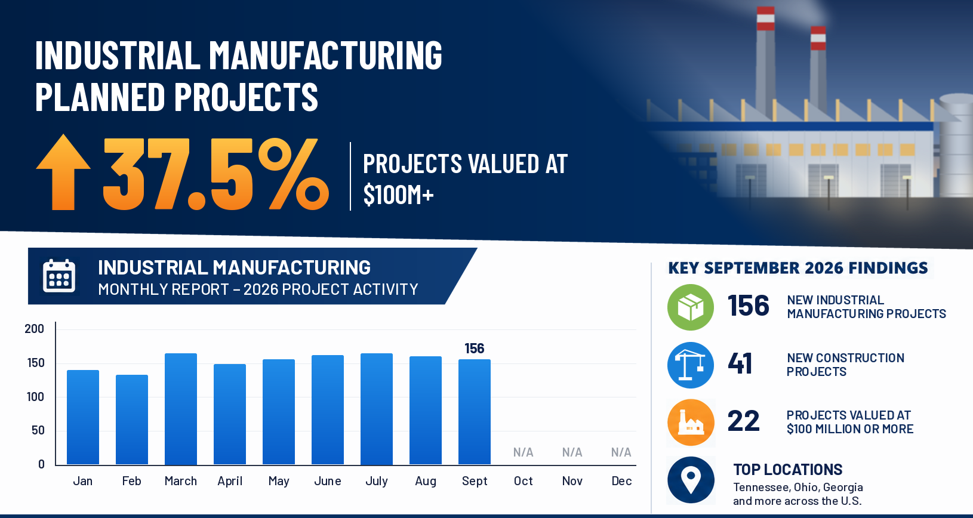
37.5% Growth in $100M New Industrial Planned Projects MoM for September 2026
-
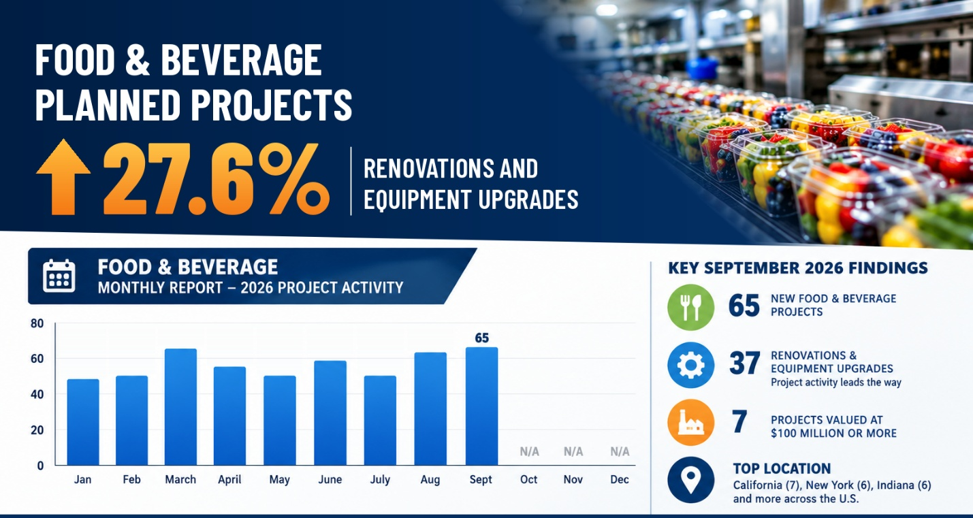
27.6% MoM Increase in Industrial Planned Projects for Renovations and Equipment Upgrades for September 2026
-
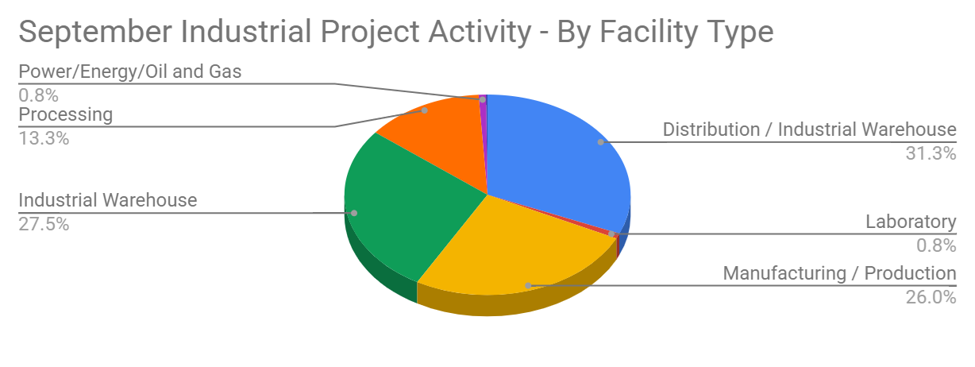
392 New Planned Industrial Projects Tracked in September 2026
-
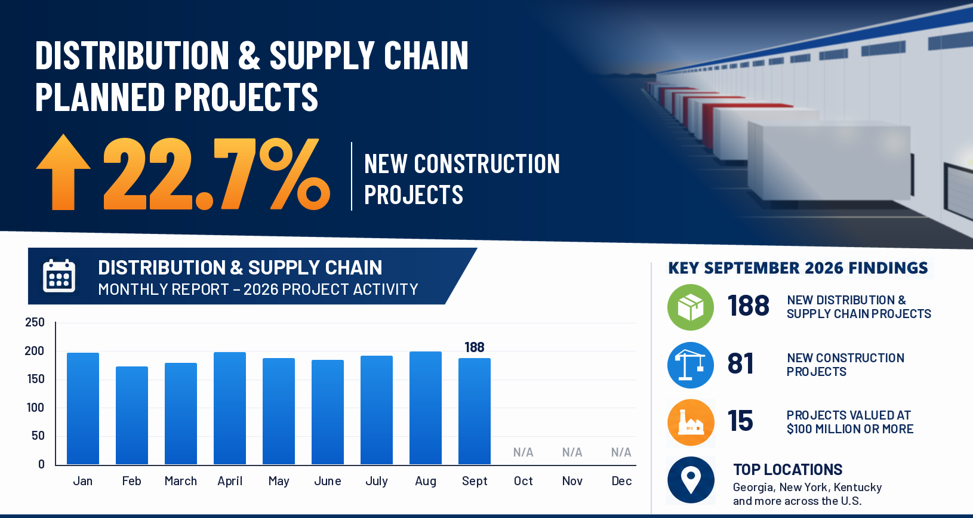
22.7% Increase in September 2026 for New Planned Distribution and Supply Chain Projects Over August 2026
