
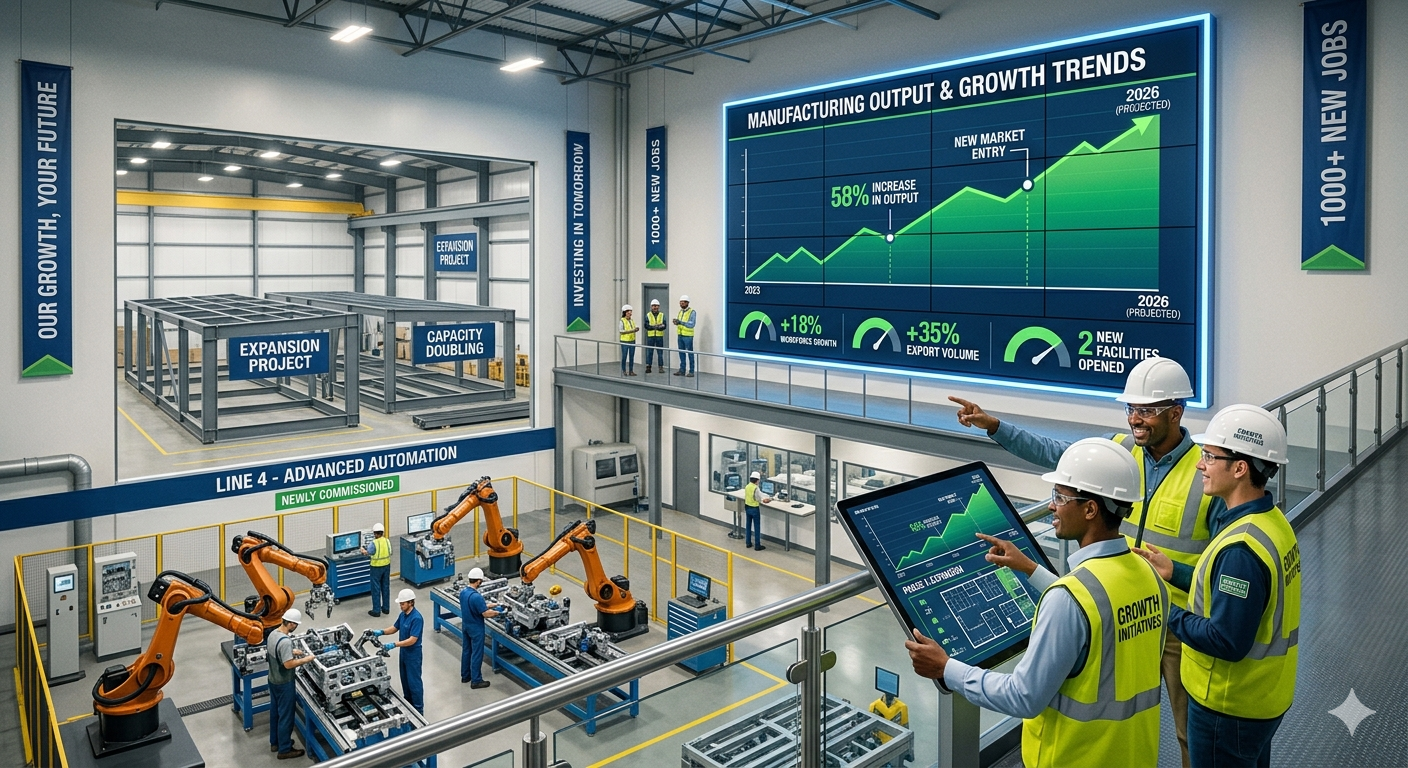
Manufacturing growth is not just a production challenge. It is also a sales development challenge.
Industrial companies often operate in markets with long sales cycles, complex buying committees, technical requirements, capital approvals, and highly specific project timelines. A manufacturer may have a strong product, experienced people, and a reliable reputation, but still struggle to connect with the right prospects at the right stage of the buying process.
That is where industrial sales development becomes important. A structured sales development strategy helps manufacturers identify better-fit opportunities, improve outreach timing, align sales and marketing activity, and build a more predictable pipeline.
The Shift in Industrial Buyer Behavior
Today’s industrial buyer is more independent than ever. Many prospects research vendors, compare technical capabilities, review case studies, and evaluate possible solutions before they ever speak with a salesperson.
For manufacturers, that changes the role of sales development. It is no longer enough to wait for buyers to raise their hands. Companies need to be visible, credible, and helpful earlier in the research process.
Industrial buyers may be looking for answers to questions such as:
-
Which vendors understand our type of facility or application?
-
Who has experience with similar projects?
-
What technical requirements need to be considered?
-
What risks could delay implementation?
-
Which suppliers can support us beyond the initial sale?
Industrial sales development helps manufacturers respond to this new buying behavior by creating a system for identifying prospects, educating the market, and engaging buyers before competitors become the default choice.
Glossary: Industrial sales development: Industrial sales development is the process of identifying, qualifying, nurturing, and engaging potential buyers in manufacturing, construction, distribution, logistics, and other industrial markets.
Why Visibility Matters Before the First Sales Call
In many industrial markets, buyers are not making casual purchases. They are evaluating vendors for equipment, materials, facility improvements, maintenance services, construction support, automation systems, production upgrades, or other business-critical needs.
That means trust starts before the first conversation.
Manufacturers can support the sales development process with useful content such as:
-
technical documentation
-
application guides
-
industry-specific blog posts
-
case studies
-
capability pages
-
product comparison resources
-
project examples
-
FAQs
-
downloadable guides
-
specification sheets
This content helps buyers understand whether a company is relevant to their needs. It also gives sales teams a stronger reason to reach out because the outreach can be tied to a known business problem rather than a generic pitch.
FAQ: Why does industrial sales development matter for manufacturers?
Industrial sales development matters because manufacturing buyers often research options long before contacting vendors. A structured sales development process helps manufacturers become visible earlier, qualify prospects more effectively, and focus outreach on companies with real buying potential.
From Product Pitching to Problem Solving
Modern industrial sales development is not just about pushing a product or service. It is about helping prospects solve operational, financial, technical, and timing-related problems.
Industrial buyers are often trying to reduce downtime, increase production capacity, meet compliance requirements, improve safety, replace aging equipment, expand facilities, or modernize operations. A sales team that understands those pressures can have a more useful conversation than one that only lists features.
Strong sales development questions may include:
-
How much does unscheduled downtime cost your facility?
-
Are current production limits creating delivery delays or missed revenue?
-
Will new compliance requirements affect your operating costs?
-
Are aging systems increasing maintenance expenses?
-
What business outcome would justify a capital investment?
-
Is your team planning an expansion, relocation, or modernization project?
-
Which departments are involved in approving the purchase?
These questions help sales teams understand the buyer’s situation, timing, urgency, and fit.
Glossary: Consultative selling: Consultative selling is a sales approach focused on understanding the buyer’s business problem, operational needs, decision process, and desired outcome before recommending a solution.
Better Sales Development Starts With Better Lead Intelligence
A major challenge in industrial sales is knowing which companies are actually worth pursuing. Generic contact lists can produce activity, but they do not always produce meaningful opportunity.
Manufacturers and industrial service providers need more than names, titles, and email addresses. They need context.
Useful industrial sales intelligence may include:
-
planned facility expansions
-
plant relocations
-
new construction projects
-
equipment modernization
-
production line upgrades
-
distribution center investments
-
hiring activity
-
capital project announcements
-
facility closures or consolidations
-
ownership changes
-
new permits or site activity
These signals help sales teams prioritize outreach based on real business events.
Glossary: Sales trigger event: A sales trigger event is a business change or activity that may create a timely sales opportunity, such as a facility expansion, new construction project, equipment upgrade, relocation, or major hiring initiative.
FAQ: What makes an industrial sales lead different from a general B2B lead?
An industrial sales lead is often tied to a specific operational need, facility change, capital project, or procurement opportunity. General B2B leads may only provide contact information, while industrial leads are more valuable when they include project context, company details, timing indicators, and relevant contacts.
Aligning Sales and Marketing Around Real Opportunities
A common problem in manufacturing sales is the gap between marketing-generated leads and sales-qualified opportunities. Marketing may focus on traffic, downloads, or form fills, while sales teams care about timing, fit, budget, authority, and project relevance.
Industrial sales development helps close that gap by connecting marketing activity to sales action.
For example, a prospect who reads a general blog post may not be ready for direct outreach. But a company researching plant expansion planning, equipment replacement, or industrial construction timelines may be showing stronger intent.
Sales and marketing teams can work together by defining:
-
what a qualified industrial lead looks like
-
which industries and facility types matter most
-
which job titles influence buying decisions
-
which project signals suggest urgency
-
which content supports each stage of the buying process
-
when a prospect should move from nurture to outreach
-
how CRM data should be updated and reviewed
This creates a feedback loop. Sales teams learn which leads are most useful. Marketing teams learn which content attracts better-fit prospects. Leadership gets a clearer view of pipeline quality.
FAQ: How can sales and marketing teams work together in industrial markets?
Sales and marketing teams can work together by agreeing on target industries, buyer roles, qualifying criteria, project triggers, and follow-up processes. Marketing can support visibility and education, while sales can provide feedback about lead quality, buyer objections, and real opportunities.
Using CRM and Sales Systems to Reduce Chaos
Manufacturing growth can create operational pressure. Without a clear system, sales teams may rely on memory, scattered spreadsheets, inconsistent follow-up, or reactive prospecting.
Industrial sales development replaces improvisation with structure.
A stronger system may include:
-
CRM tracking
-
lead scoring
-
defined follow-up stages
-
call and email sequences
-
account notes
-
project intelligence
-
contact verification
-
sales and marketing attribution
-
reporting dashboards
-
regular pipeline reviews
The goal is not to create software clutter. The goal is to make sales activity easier to manage, measure, and improve.
Glossary: CRM: A CRM, or customer relationship management system, is software used to track prospects, customers, contacts, sales activity, follow-up tasks, pipeline stages, and relationship history.
How Industrial Sales Development Supports Long Sales Cycles
Industrial sales cycles can be long because the buying decision often involves multiple stakeholders. Engineering, operations, procurement, finance, safety, compliance, maintenance, and executive leadership may all influence the final decision.
That means sales development needs to support more than one conversation.
A good industrial sales development process helps teams:
-
identify the right accounts
-
find the right contacts
-
understand project timing
-
document buyer needs
-
follow up consistently
-
provide relevant resources
-
stay visible during long evaluation periods
-
re-engage prospects when timing changes
This is especially important for companies selling into manufacturing, construction, facility services, industrial equipment, automation, logistics, or material handling markets.
FAQ: Why are industrial sales cycles often longer than other B2B sales cycles?
Industrial sales cycles are often longer because purchases may involve high costs, technical requirements, safety concerns, operational disruption, multiple stakeholders, and formal approval processes. Sales development helps teams stay organized and relevant throughout that longer decision cycle.
Building a More Predictable Industrial Sales Pipeline
A predictable pipeline does not happen by accident. It comes from combining market intelligence, clear targeting, consistent outreach, useful content, and disciplined follow-up.
Manufacturers and industrial suppliers can improve pipeline quality by focusing on accounts that match their ideal customer profile and show signs of real business activity.
That may include companies that are:
-
expanding production capacity
-
opening or relocating facilities
-
investing in new equipment
-
modernizing existing plants
-
adding distribution or warehouse space
-
responding to regulatory changes
-
hiring for operations or engineering roles
-
planning construction or renovation projects
When sales teams know why a company may need help, outreach becomes more relevant. Instead of contacting a prospect with a generic introduction, the conversation can begin with a business reason.
Glossary: Industrial project intelligence: Industrial project intelligence is information about planned or active industrial projects, including expansions, relocations, construction, equipment upgrades, modernization efforts, and other facility-related business changes.
How Industrial SalesLeads Can Help
Industrial SalesLeads helps sales teams focus on better-fit opportunities by providing industrial project reports, company intelligence, and verified contact information tied to real business activity.
For companies selling into manufacturing, construction, industrial services, equipment, logistics, automation, or facility operations, this kind of intelligence can help prioritize outreach around project timing and business need.
Instead of relying only on broad databases or cold prospecting, sales teams can use industrial project intelligence to identify companies that may already be planning investments, expansions, upgrades, or operational changes.
That makes outreach more focused, more informed, and more useful to the buyer.
Final Thoughts
Industrial sales development is no longer just a top-of-funnel activity. It is a growth system.
Manufacturers and industrial suppliers need to be discoverable before the first sales call, helpful during the buyer’s research process, organized throughout long sales cycles, and focused on opportunities with real business context.
By combining sales development strategy with industrial project intelligence, companies can move beyond generic prospecting and build a more predictable path to qualified opportunities, stronger relationships, and long-term growth.
Want a predictable flow of qualified leads?
Let’s talk about how we can build it for you.
Latest Posts
-
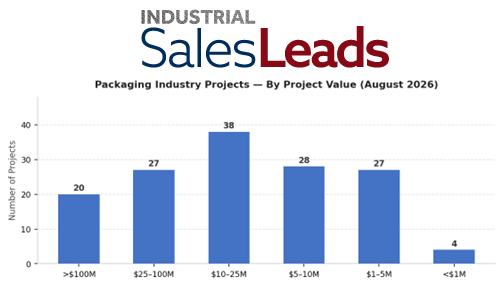
184 New Packaging Industry Projects Drive $17B+ Capital Pipeline in August 2026
-
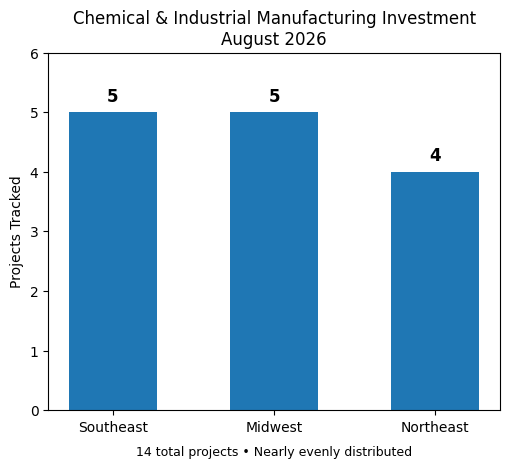
Chemical & Industrial Manufacturing Investment Spans Southeast, Midwest and Northeast in August 2026, with 14 Projects Tracked
-
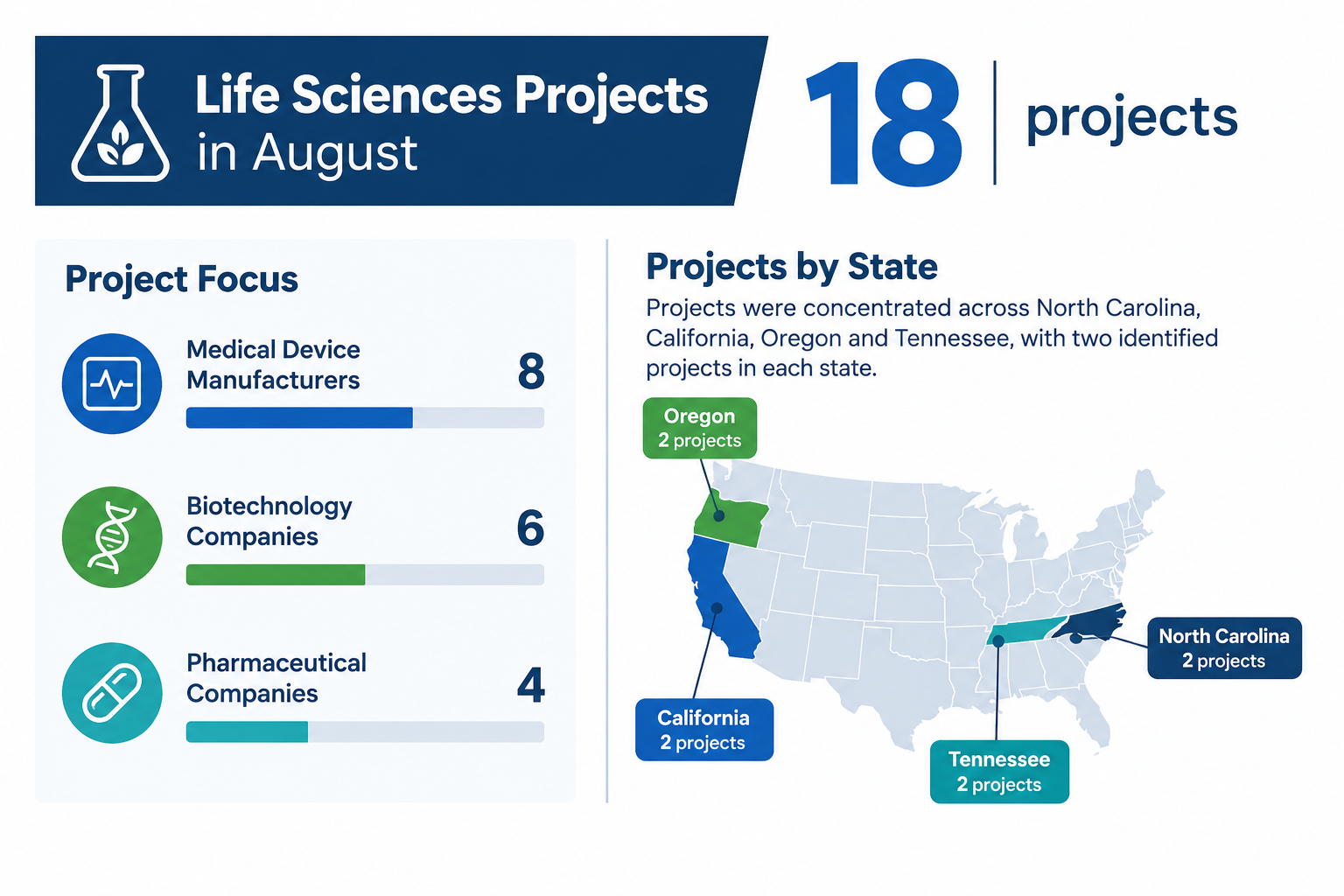
Life Sciences Manufacturing Investment Maintains Investment Momentum with 18 New Projects Identified in August 2026
-
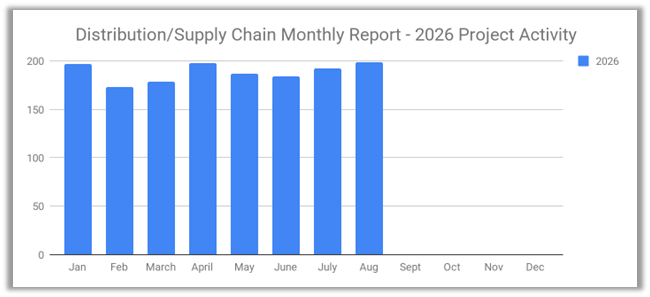
Distribution and Supply Chain Investment Hits 2026 Peak in August, Fueled by Three Months of Accelerating Growth
